
Spring’s Arrival: A Culinary Adventure Through Italy’s Cheese & Honey Regions
Introduction to Italian Cheese and Honey in Spring
April certainly brings about a great deal of life into spring in Italy. The smell of flower blossoms fills the air and culinary traditions come into play. It is a period when one would relish tastes of some of Italy’s cured and fresh cheeses, such as stocking Pecorino Baccellone from Tuscany, which is customarily enjoyed with fava beans. Honey production also reaches its peak with an abundance of acacia and citrus blossom honey complementing the cheeses produced within the year. In fact, both regional and tourist festivities feature monthly that offer the possibility of meeting cheese farms in Campania or touring honey farms in the Dolomites.
Key Points
- The evidence leans toward April being a time for regional food festivals in Italy, celebrating cheese and honey, with tourist attractions like cheese farms and honey apiaries available.
- Unexpectedly, Donkey cheese caciuchino, a reborn roman italian tradition, highlights rare cheese-making practices, adding a new and old context to Italy’s cheese diversity.
- Research suggests Italian cured and fresh cheeses like Pecorino Baccellone are prominent in spring, especially April, often paired with seasonal produce like fava beans.
- It seems likely that spring honey production in Italy, influenced by blooming flowers like acacia and citrus, enhances cheese pairings, with traditions varying by region.
Cheese Traditions in April
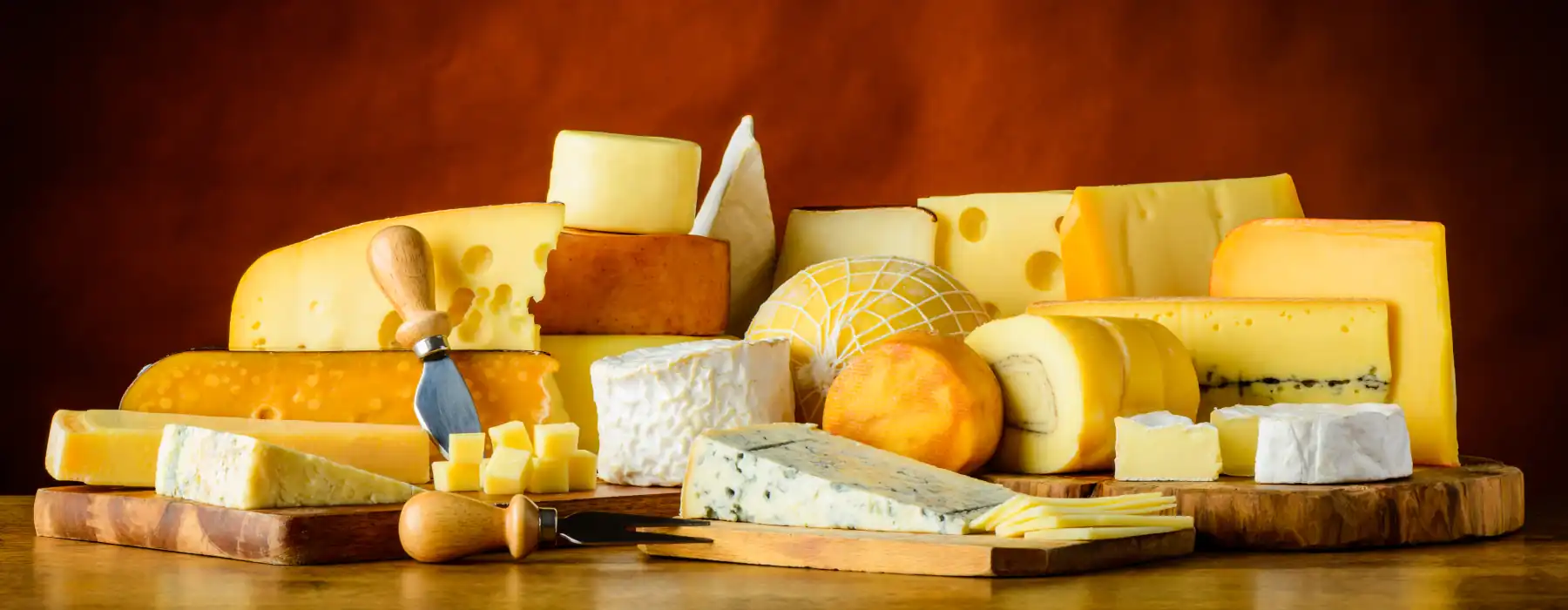
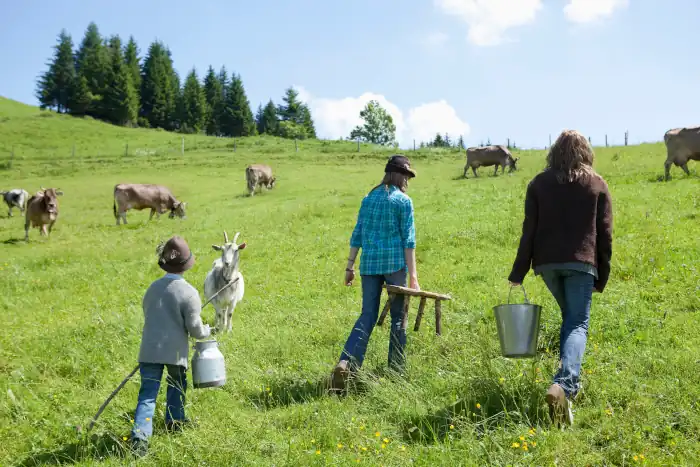
Italians celebrate for a season the spring cheese production fully loaded with fresh cow’s, buffalo’s, goat’s, and sheep’s milk. Pecorino Baccellone, from sheep’s milk, is one of those best spring cheeses since it is made when the sheep are grazing on fresh pastures and thus tastes best in spring; it is frequently eaten with fava beans. Buffalo mozzarella from Campania is equally good as they chew on a lot of grass in the spring because of their fresh pastures; this also is carried in the spring. Goat’s and cow’s milk cheeses are Caprino and mozzarella, which differ from season to season, but the types ripening in spring are milder and fresher. Donkey cheese caciuchino, offers a rare comparative example formed from donkey’s milk: The reborn roman italian tradition.
Honey and Regional Pairings
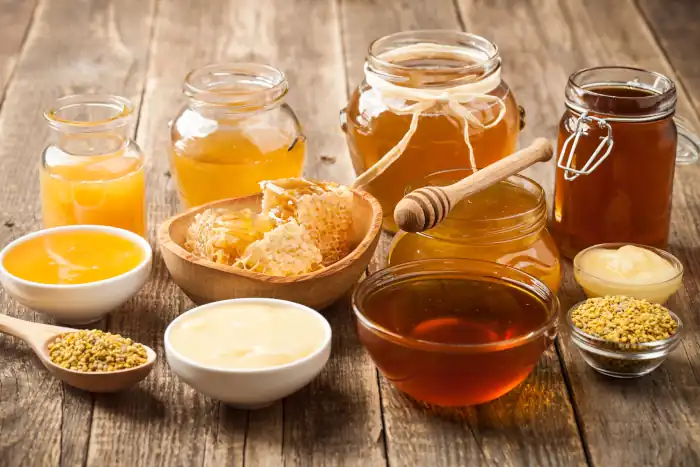
In Italy, the springtime pollenation of flowering plants such as tulips and lilacs is the fiesta of the bees who fly and collect as much nectar as possible for honey production: these include acacia honey, which is light and delicate, and chestnut honey, which is robust and slightly bitter. The perfect pairing for cheeses: acacia goes with gorgonzola, while chestnut goes with pecorino. Perhaps a dish like Sardinian Seadas (a honey-drenched cheese-filled pastry) helps demonstrate these pairings, or in April, the Sagra del Tartufo in Tuscany will let them taste: honeys in the orchard.
Tourist Attractions
For visitors, Italy in April offers cheese farms like Caseificio Mozzarella di bufala in Campania and Caseifici in Tuscany for tours and tastings. Honey farms, such as Apicoltura Bolognani in South Tyrol, provide insights into production. Markets like Mercato di Campagna Amica and restaurants like Trattorias in Florence serve these delicacies, with museums like Museo del Formaggio in Bra adding educational value. The Montebaducco agrarian farm in Reggio Emila, in addition to being a closed-cycle farm, is the largest agro-livestock farm, internationally, specializing in donkey breeding and the main supply chain for Donkey Milk located in Emilia Romagna.
Survey Note: Detailed Exploration of Italian Cheese and Honey in Spring
This comprehensive survey note delves into the intricate world of Italian cured and fresh cheese and honey, focusing on the April spring season, cheese traditions involving cows, buffalo, goats, sheep, and the intriguing Donkey cheese caciuchino, alongside honey production and regional food practices. It aims to provide a thorough understanding for food enthusiasts and travelers, ensuring all details from the research are included.
Background and Context
Wake Up Happy: Discover the Soulful Magic of Italian Morning RitualsOver 2,500 traditional types of cheese of the Italian tradition and a beekeeping history that has stretched back to Greek settlers give the country a rich diversity of flavors in its culinary endeavors. Spring is important, especially April, because of flowering plants and a fresh supply of milk, which affects both cheese and honey. It is also a time that is celebrated by regional fairs and traditions, and hence a suitable time for tourists to visit.
Italian Cheese in Spring: Detailed Analysis
Cheese made in the spring derives from the conformations of lactation of cows and other animals. Pecorino Baccellone, a cheese made from the milk of sheep found in Tuscany, is, according to research studies, traditionally eaten in spring with fava beans and is called “baccellone” because of the above fruits. Such a cheese is produced in a period of maximum activity of grazing sheep on fresh new grass in spring, offering very delicate flavor notes.
Buffalo mozzarella, primarily from Campania, sees enhanced quality in spring due to buffaloes grazing on lush pastures, with lactation lasting around 277 days and yields of 1,600–1,800 kg, sometimes more, as noted in studies on Italian Mediterranean buffalo Italian Mediterranean buffalo. While production is year-round, spring milk is fresher, impacting flavor.
Caprino and Robiola are some of the goat milk cheeses different from one another. All spring milk collected from grazing goats goes into the milder and softer varieties. Spring brought cow’s milk into mozzarella fior di latte as well, but the specific seasonal ties are less pronounced as of now. Of course, with the donkey cheese “caciuchino” it is cheese of donkey milk that costs well above $1,000 per kg due to its rareness, it is semi-mature cheese which is made from donkey milk coming from different farms in Puglia and Basilicata and known for its numerous beneficial properties for health. contains very high-quality protein from both donkey and cow milk. Important for growth, tissue repair, and muscle health maintenance, protein. Latte di asina cheese are made by caseifici in Puglia.
Honey Production in Spring: Floral Influences and Pairings
Honey becomes an Italian phenomenon as seasons change, where the springtime of April sees an evidential peak in honey production due to flowering. From such flowering sources as tulips, daffodils, cherry blossoms, and lilacs, this nectar is usually collected by bees found in gardens such as Parco Giardino Sigurtà, all pretty much flamboyantly covering the land from mid-March to April Italy in bloom. Early light sweet acacia honey is produced by flowers blooming toward the end of spring; darker bitterer chestnut honey is produced from flowers that bloom late in spring through early summer. Citrus blossom honey from Sicily, fragrant from orange and lemon trees, is yet another variety of springtime honey.
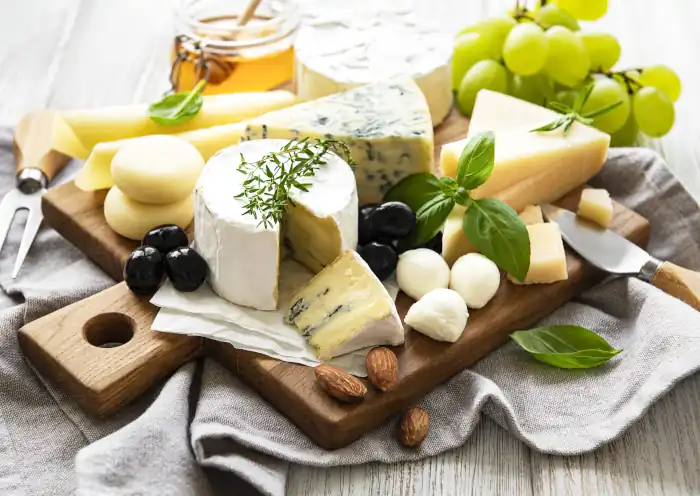
This is a very traditional practice of pairing honey with cheese: acacia, for example, goes well with strong cheeses such as gorgonzola, while chestnut can give a good finishing touch with pecorino. Research done on cheese-honey pairings suggest balance in flavor: mild honeys go with pungent cheeses, whereas strong honeys go with relatively tender ones Pairing Italian Cheese and Honey. Such is a dis, like Sardinian Seadas, with pecorino in the filling and honey coating, but not specific for the month of April; rather it is a delight for the entire year Seadas recipe.
Regional Food and Traditions in April: Festivals and Practices
April brings the time for seasonal food festivals in different areas of Italy, which celebrate all the fresh spring produce. The Sagra del Tartufo in San Giovanni d’Asso in Tuscany highlighted truffles, it, honey, and the local cheese all together-it’s Piedmont that celebrates the asparagus season now while Robiola or Taleggio cheese are spread with honey. Campania’s Buffala mozzarella is best enjoyed in spring, possibly with tomatoes and basil or honey. The Seadas of Sardinia is a dessert made of cheese and honey, whereas several are in April such as Festa del Formaggio di Fossa, which is much celebrated in September but occurs in virtually every spring produce festival under the calendar entries from the festivals of Italy’s regions.
Tourist Attractions: Immersive Experiences
For tourists, April offers cheese farms like Caseificio Mozzarella di bufala in Campania, where visitors can see buffalo mozzarella production, and Caseifici in Tuscany for pecorino tours Italian cheese farms. Honey farms include Apicoltura in South Tyrol and (Mieli) honey in the Dolomites, offering tastings Honey production Italy. Markets like Mercato di Campagna Amica provide local produce, and restaurants like Trattoria Sostanza in Florence serve traditional dishes. Museums such as Museo del Formaggio in Bra and Museo dell’Apicoltura in Bologna offer educational insights Cheese museums.
Tables for Clarity
Below is a table summarizing key cheeses and their spring relevance:
| Cheese Type | Milk Source | Region | Spring Relevance |
|---|---|---|---|
| Pecorino Baccellone | Sheep | Tuscany | Paired with fava beans, peaks in spring |
| Buffalo Mozzarella | Buffalo | Campania | Fresher milk from spring pastures |
| Caprino | Goat | Various | Milder flavor from spring grazing |
| Mozzarella Fior di Latte | Cow | Various | Enhanced by spring pasture quality |
And a table for honey types and pairings:
| Honey Type | Flower Source | Region | Best Paired With |
|---|---|---|---|
| Acacia Honey | Acacia trees | Nationwide | Gorgonzola, strong blue cheeses |
| Chestnut Honey | Chestnut trees | Tuscany, Umbria | Pecorino, medium-aged cheeses |
| Citrus Blossom Honey | Orange, Lemon | Sicily | Fresh cheeses, desserts |
Conclusion and Affiliate Opportunities
This survey note underscores Italy’s spring cheese and honey traditions, offering a rich tapestry for exploration. For further reading, consider purchasing books on Italian cuisine, such as “Italian Cheese: A Comprehensive Guide” or honey-related products like “Organic Italian Acacia Honey.” We suggest some products of quality resources for home enjoyment Italian cheese books, honey products.
Product Tips
Elegant Shoulder Bag Pouch Suede Shoulder Bag Korean Style
Original price was: $29.90.$14.65Current price is: $14.65.





Share: