
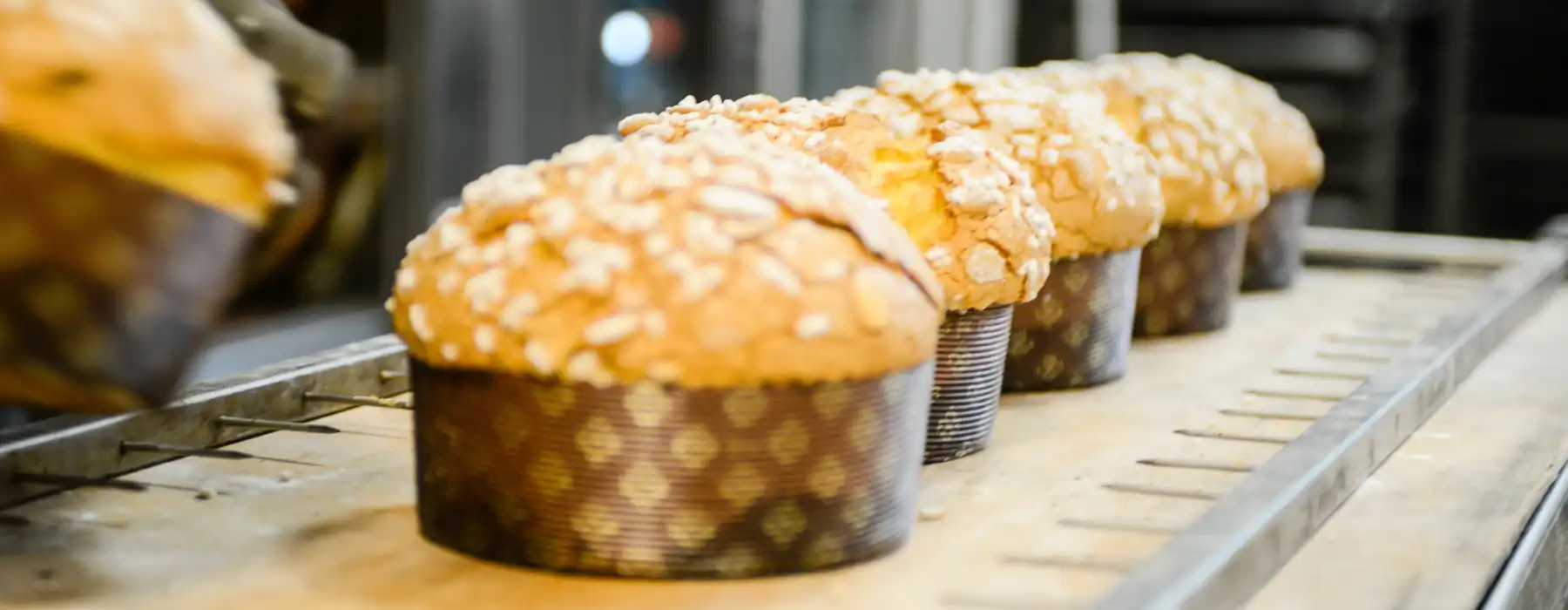
A Wonderful Christmas Pandoro and Panettone: The Allure of Artisan Italian Desserts
Pandoro and Panettone: Exploring the Heart of Christmas Pastry Shop Tradition
The holiday season is a special time, filled with warmth, light, and, most importantly, unforgettable flavors. For many across the globe, especially those with ties to Italian Heritage & Lifestyle, no Christmas celebration is complete without the iconic duo: Pandoro and Panettone. These aren’t just cakes; they are the edible emblems of a thousand-year-old tradition, an embodiment of Italian Artisanal Traditions, and a perfect example of Holiday Confectionery elevated to an art form. This journey into the world of Handmade Italian Desserts is an invitation to slow down, savor, and appreciate the Slow Craftsmanship that defines the truly Artisan Lifestyle That Moves Against the Clock.
The Artisan Lifestyle and Slow Craftsmanship
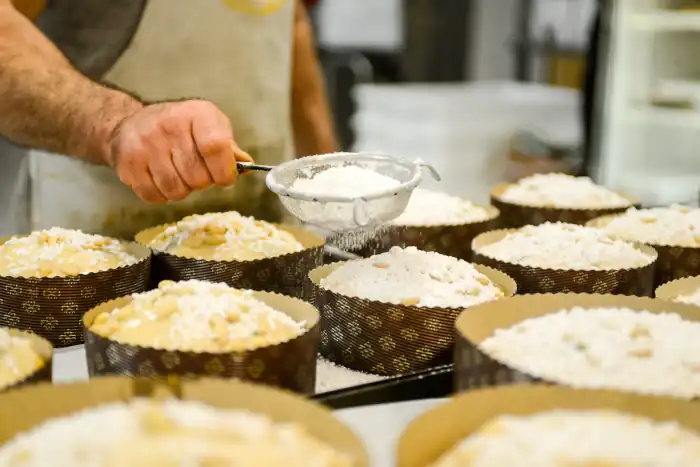
In the fast-paced, mass-produced world we live in, there is a profound beauty in the effort of the Artisan Bakery that still creates these masterpieces. This is not about speed; it’s about respect for ingredients and process. An Artisan Panettone and Pandoro requires days—sometimes three to four—to produce. The secret lies in the lievito madre (sourdough starter), a living entity that must be fed, nurtured, and coaxed into perfection. This patient, almost meditative process is a hallmark of Slow Craftsmanship.
Consider the Artisanal made Panettone and Pandoro by Pastry shop and Bakery. They don’t rely on quick-fix chemicals or industrial shortcuts. The focus is on quality butter, free-range eggs, candied fruit (for the Panettone) often prepared in-house, and vanilla from far-flung locales. This dedication makes each loaf a Classic piece that remains timeless and relevant, a true expression of Timeless Italian Design in the culinary sense. By choosing a genuinely Artisan Panettone and Pandoro, you are not just buying a dessert; you are supporting a way of life, one that values tradition, community, and the human touch. This commitment to detail transforms the final product from a simple Christmas traditional dessert into an extraordinary experience, a piece of Cultural Heritage Exploration you can literally taste.
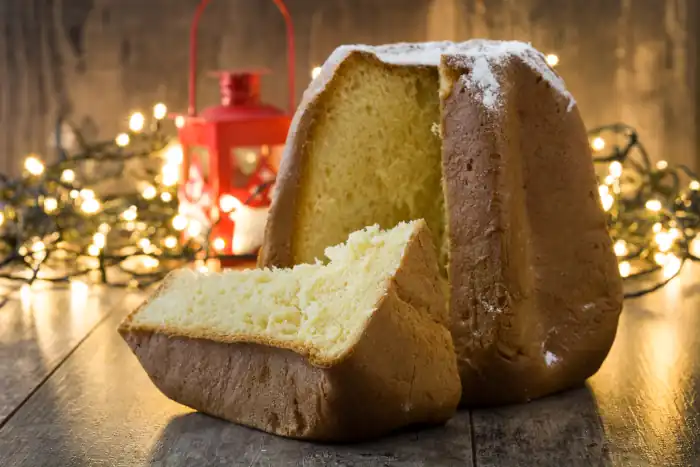
The difference between a mass-produced version and an Artisan Bakery (Pasticceria) creation is night and day. The texture, or alveolatura, of a handmade Panettone is a testament to the baker’s skill using sourdough. It features elongated, beautiful air pockets that make the bread incredibly soft and moist, even days after baking. The aroma—a complex bouquet of citrus, vanilla, and fermented dough—is exciting. The Pandoro, the “golden bread” from Verona, offers its own simple, luxurious experience. It’s often dusted with powdered sugar, mimicking the snow of an Italian winter. Its buttery, soft crumb is pure elegance. This is the Food & Holiday Focus that defines an Italian Christmas—a commitment to quality that speaks volumes.
The decision to buy a handcrafted loaf over a factory-made one is part of embracing the artisan lifestyle. It’s about appreciating the unique character of something handmade and recognizing the local life captured in its flavor. These desserts are not about trendy food; they are about Heirloom Recipes passed down through generations, offering Vintage design that offers insight into local life.
The Global Table: A Comparison of US and World Holiday Confectionery
The conversation around Christmas Pastry Shop Artisan Panettone and Pandoro offers a fascinating point of reflection when comparing Customs & Habits between the United States and the rest of the world, particularly Europe.
Tradition vs. Innovation in Holiday Confectionery
In Italy and much of Europe, the purchase and consumption of Pandoro and Panettone is a mandatory rite of the season. It is a tradition that anchors the Christmas holiday pastry shop and Bakery experience. The debate isn’t if you’ll buy one, but where—which trusted Artisan Bakery or Pastry Shop has the best version that year. The classic forms are revered, and while innovation exists, it usually serves to enhance, not replace, the traditional recipes. Exploring these deeper layers of tradition reveals a cultural reverence for the past.
In the U.S. Food & Holiday Focus, the holiday season is marked by immense culinary diversity. While the U.S. has its own rich traditions, like gingerbread, pumpkin pie, and Christmas cookies, Artisan Panettone and Pandoro are relative newcomers to the mainstream. Until recently, they were primarily found in specialty markets or in communities with strong Italian Heritage.
However, this is changing rapidly. American consumers are increasingly seeking out high-quality, authentic, and Artisanal made Panettone and Pandoro. The U.S. is experiencing a surge in appreciation for Slow Craftsmanship and Home made Christmas traditional desserts, moving away from factory-produced sweetness. This reflects a broader trend of valuing quality and story over mere convenience. When you find an excellent imported or locally made Home made Panettone and Pandoro, it instantly elevates the entire Christmas Pastry Shop experience, introducing a magnificent piece of Italian Heritage & Lifestyle to the American table. This embrace shows an evolving palate and a desire to Explore deeper layers of tradition, design and lifestyle from around the world.
- Vergani Traditional Milanese Panettone in Classic Gift Box, 1000g (Pack of 1)
- Zaghis Regale | Italian Panettone Pistachio Cream | Artisan Cake Bread |…
- Fiasconaro Dolce and Gabbana Panettone, Citrus Candied Fruit Saffron in…
- Albertengo Moscato Panettone Cake, 2.2 Pound
- Gianduja Panettone with Chocolate & Hazelnut Cream 35.3 oz – Naturally…
- Chocolate Panettone Italian Cake from Italy (26.4 Oz – 750 Gr) Pasticceria…
- Tre Marie Il Panettone Milanese | Panettone With Candied Fruits | Traditional…
The Christmas Tree and the European Tradition
The time people buy and decorate the Christmas tree varies significantly, and this scheduling difference perfectly illustrates the cultural variance in the overall length of the holiday season.
In the United States, the timing is primarily cultural and secular:
Start Time: Most American families begin decorating right after the Thanksgiving holiday (the fourth Thursday in November), often starting the weekend after. This pushes the start of the decorating season a full week or more ahead of the Italian custom, giving the Christmas Pastry Shop a longer runway to sell their Holiday Confectionery.
End Time: While some US families adhere to the traditional Twelfth Night (January 5th) or Epiphany (January 6th) to take down decorations, many opt to remove them immediately after New Year’s Day (January 1st) or in the first week of January.
Conversely, the European Catholic Tradition in Italy dictates a schedule rooted in the calendar of the Church:
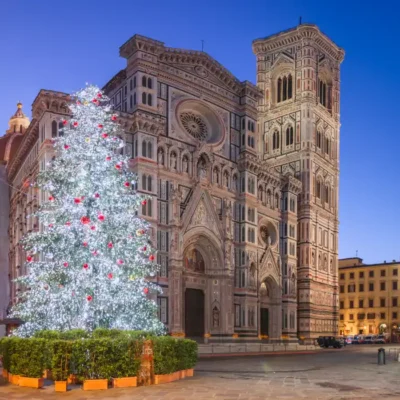
Start Date: The Christmas season in Italy traditionally starts based on a Catholic holiday. December 8th, the Feast of the Immaculate Conception (Festa dell’Immacolata Concezione), is the official day when most Italian families put up their Christmas tree (albero di Natale) and other decorations, including the Nativity scene (presepe). In Milan, however, some people start one day earlier on December 7th for the feast of St. Ambrose.
End Date: Decorations traditionally remain up until January 6th, the Feast of the Epiphany (Epifania), which marks the end of the Christmas season. This is also the day the folk figure La Befana (a good witch) brings gifts to children.
In Summary, the time people buy and decorate the Christmas tree varies significantly. In the US, the season generally kicks off in late November, right after Thanksgiving, extending the shopping period. Conversely, in Italy, the tradition is rooted in the calendar of the Church, with the main decorating day being December 8th—the national holiday of the Feast of the Immaculate Conception—and decorations staying up until the Epiphany on January 6th, often mirroring the lifespan of an Artisan Panettone and Pandoro after it is purchased. In both continents, the tree is a joyful moment for family to gather together, marking the period when these magnificent Traditional Panettone and Pandoro loaves grace the dining table.
The key difference in the consumption of these Handmade Italian Desserts lies in saturation and necessity. In Italy, they are the baseline; in the U.S., they are a discovery—a premium, imported, or specialty item that adds flair and cultural depth. American bakeries that take the time to perfect these demanding recipes are champions of the Artisan Lifestyle, bringing a touch of Local Italian Life to American cities.
Considerations.
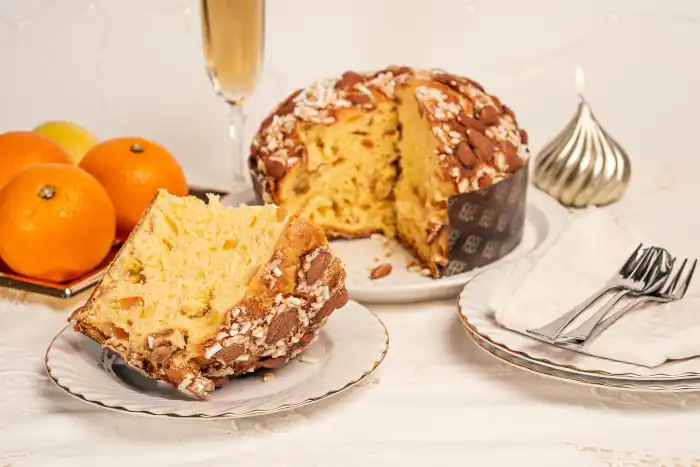
The next time you are preparing for the Christmas season, move against the current of convenience. Seek out an Artisan Bakery or a specialized retailer that carries truly Handmade Italian Desserts. Take a moment to appreciate the Slow Craftsmanship that went into creating that beautiful loaf of Pandoro and Panettone. Slice it slowly, share it mindfully, and let its centuries-old flavor tell the story of tradition, patience, and love. By choosing Artisan Panettone and Pandoro, you aren’t just tasting history; you’re helping to keep the Artisan Lifestyle and these magnificent Italian Artisanal Traditions alive for the generations to come. Explore deeper, savor more slowly, and make this holiday truly wonderful.



Share: