
Sea Family Traditions That Define Generations
Exploring the Heart of Sea Family Tradition
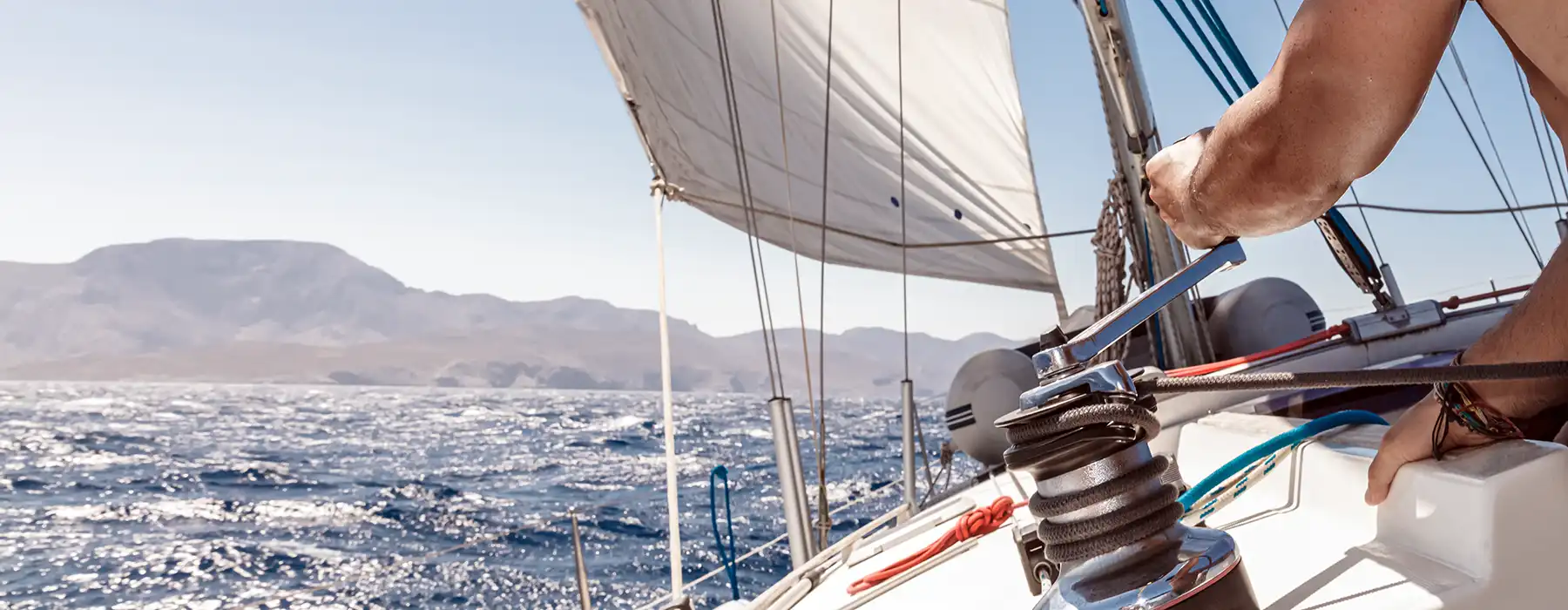
Sea family traditions associated with the culture seem like thread for weaving through time, connecting people to the ocean and then to each other. That’s not only for fishing or sailing, because it’s all about the memories, skills, and ways of living to be passed along. In Italy, from a Mediterranean sea sparkling jewel, and in the United States, from coasts stretching from Maine to California, these are all ingredients for the nations’ families, economies, and communities. Let’s dive into the colorful world of family traditions defining generations from sea commerce to the vibrant lives of fishermen’s families, then compare against two cultures.
Sea family tradition is a gilded thread running back through the decades, binding men and women to the sea and each other. It’s not really about fishing or sailing; the legends, customs, and traditions of living are in common, and those are the threads that bind and connect. In Italy, where the Mediterranean shimmers like a gem, and America, where shores continue from Maine to California, build communities, economies, and identities. Let us embark upon the rich landscape of family traditions shaping generations, from sea trade to the intricate lives of fishing families, and discover how different they are for the two cultures.
The Roots of Seaside Life
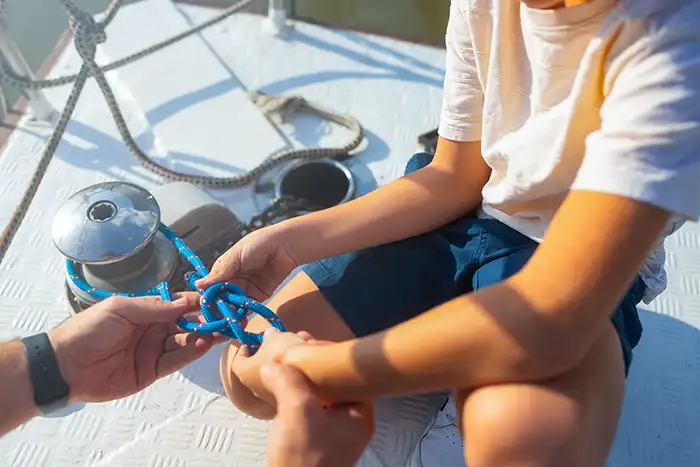
On beaches such as those in Procida, Camogli, or Trapani, Italy’s shoreline is not a backdrop but a lifestyle. Sea family tradition is the sole descriptor to employ to describe such towns, where children learn to read the tide before they are able to read. Grandchildren are instructed by their grandparents in how to knot a rope or identify a solid fishing spot, not because it is drudgery, but because they are who they are. These are not moments about work moments about sharing love for the sea.
This lifestyle offers a window into local life. Families gather at dawn to sort the day’s catch, sharing coffee and stories as the sun rises. Festivals celebrate the ocean with music, food, and blessings for safe voyages. These are family traditions that offer insight into local life, showing how the sea shapes not just what people do, but how they connect.
Boats That Tell Stories
One of the most striking things about the sea family tradition is how it shows up in the boats themselves. Walk along an Italian dock, and you’ll see vessels painted in colors that pop against the water, sunny yellows, deep greens, or bold reds. These aren’t just for looks. Each hue often ties to a family’s history, a symbol of pride or protection. Some families have used the same colors for decades, like a signature on the sea.
This design and lifestyle around boats set families apart. A boat is not an instrument; it’s a family treasure, carrying memories of stormy nights and sunny catches. In contrast to a sleek yacht built for luxury or a massive ship made for crossing oceans, these small boats are the heart of the sea family tradition. They’re where kids learn to steer, where elders share wisdom, and where communities come together. Want to bring a touch of this coastal vibe home? Check out nautical decor inspired by these vibrant harbors (AFFILIATE LINK).
Wooden Boats, Modern Waters
Tradition breathes through Italy’s handcrafted Gozzo, those sturdy, rounded boats you see bobbing gently in Mediterranean harbors. Built of wood and made for short sea trips, they’re still used today by artisan fishermen who believe in sustainable practices.
While large industrial fleets trawl deeper waters, family-run fishing operations are adapting. Many are turning to eco fishing and tourism, inviting travelers aboard for early morning fishing trips, or “pesca turismo.” These experiences aren’t just charming; they’re crucial for economic survival and cultural preservation.
[Insert Amazon affiliate link for marine-inspired kitchen gear, deck shoes, or nautical decor here.]
A Personal Take: Why These Traditions Matter
On a trip to Cinque Terre a few summers ago, I watched a grandfather teaching his grandson how to row a wooden dinghy. It was quiet, early morning, and you could see the connection between them wasn’t just blood, it was the boat, the sea, the motion, the moment. That’s what these sea family traditions do. They tie people to their past in a way that feels warm and unshakable.
In a fast world of trends and tech, holding onto family rituals can anchor us. Whether it’s fishing off the Amalfi coast, painting a boat the way Nonno did, or just eating together at sunset, these traditions matter.
In exploring Sea Family Traditions That Define Generations, it’s enlightening to compare how maritime customs have shaped communities in both Italy and the United States. While each culture has its unique expressions, the underlying values of family heritage and connection to the sea are remarkably similar.
In Italy, coastal towns like Genoa and Amalfi have long histories of maritime commerce, with traditions such as the “Marriage of the Sea” ceremony symbolizing the deep bond between the community and the ocean. These events are not just historical reenactments but living traditions that continue to define local identities.(Wikipedia)
A Legacy of Maritime Commerce
Italy’s history is filled with maritime trade and commerce. Way back, seaport cities such as Venice, Genoa, and Amalfi were hubs of sea trading enterprise, dispatching ships filled with wine, olive oil, and spices across the Mediterranean Sea. They were headed by family members who taught one another not only ships but also how to travel by stars, bargain in foreign ports, or ride out a tempest. These were the early family traditions that defined generations, building money and culture along the sea.
Italy’s history is immersed in maritime commerce. The ways of the sea from centuries ago, cities like Venice, Amalfi, and Genoa, were powerhouses of sea trading commerce, sending ships loaded with wine, olive oil, and spices across the Mediterranean. Families ran these operations, passing down not just boats but knowledge on how to navigate by stars, haggle in foreign ports, or weather a storm. These were the original family traditions that define generations, building wealth and culture through the sea.
Today, sea commerce in Italy blends old and new. Big ports handle global trade with high-tech ships, but in smaller towns, families still fish, run seafood markets, or guide tourists on traditional boats. This mix of heritage and innovation keeps the sea family tradition alive, proving that the past can thrive in the present.
Maritime Commerce: From Ancient Routes to Modern Trade
Italy’s history of maritime commerce runs deep. Roman sea trade once connected the empire from Africa to the British Isles, while in later centuries, ports like Genoa and Venice became global powerhouses of sea trading commerce. Goods like silk, salt, fish, and olive oil weren’t just items, they were lifelines that supported entire family economies.
In those times, families often owned small ships and passed their knowledge down through the generations. Contracts were sealed with handshakes, and trust was everything. The modern sea economy may look different with high-tech ships and international logistics, but in many coastal areas, the sea family tradition still plays a strong role.
The American Coast: A Shared Spirit
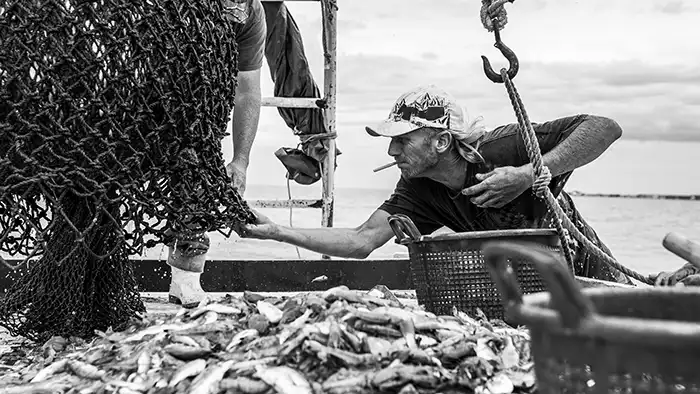
Over in the U.S., coastal communities like Gloucester, Massachusetts, or Key West, Florida, have their own sea family traditions. Families here pass down skills like lobstering or crabbing, often with the same pride as their Italian counterparts. Events like the Blessing of the Fleet, where boats are prayed over for safety, echo Italy’s harbor festivals, showing a shared respect for the ocean.
But there’s a difference in flavor. In the U.S., fishing can lean more industrial, with big companies playing a larger role. In Italy, it’s often more personal, tied to small-scale, family-run operations. American traditions might focus on efficiency, while Italian ones embrace the romance of the sea. Still, both cultures show how family traditions that define generations create a sense of belonging.
Inside Fishermen Families
To understand the sea family tradition, you have to see how fishermen’s families live. In Italy, daily life revolves around the sea’s rhythm. Mornings start early, with boats heading out before dawn. Back on shore, families work together, some clean fish, others sell at markets, or cook meals that have been made the same way for generations. Women often play a huge role, running businesses or preserving recipes for dishes like seafood risotto or grilled octopus.
These routines teach kids patience, teamwork, and respect for nature. They learn that the sea gives, but it also demands care. This is what makes family traditions that offer insight into local life so special—they’re not just about fishing, but about building character and community.
Sea Chef Family Traditions
Then there’s the food. In both Italy and the U.S., sea chef family traditions turn the day’s catch into something magical. In Italy, boat kitchens, cambusa, are all about simple cooking with fresh fish, olive oil, and a squeeze of lemon. Recipes like Liguria’s fish stew or Sicily’s pasta with sardines carry the weight of history, passed down from Nonna to daughter to grandson. In the U.S., a Steward handles the galley very well; you’ll find similar love in dishes like New England clam chowder or Southern shrimp boils, each one a nod to the sea.
These chefs, whether in a trattoria or a beachside shack, are storytellers. Every dish is a chapter of the sea family tradition, connecting the table to the ocean. Want to try these flavors at home? Pick up a seafood cookbook or Mediterranean spices to channel that coastal magic (AFFILIATE LINK).
Boats, Ships, and Yachts: What’s the Deal?
You might hear boat, ship, and yacht thrown around, but they’re not the same, Usually, a boat is small, perfect for fishing or short trips. A ship is a giant, built for big jobs like cargo or military missions across oceans. A yacht? That’s all about luxury, think sun decks and cocktails. But in the world of sea family tradition, it’s the humble boat, weathered and colorful, that carries the most meaning. It’s where families bond, work, and dream. (AFFILIATE LINK)
Modern Sea Commerce and Tradition
Today’s sea commerce in Italy is a balancing act. Fishermen use GPS and Sonar, but many still trust the instincts their ancestors taught them. Coastal tourism has become a big part of the economy, with families offering boat tours or cooking classes that share their heritage. These efforts keep family traditions that define generations alive, even as the world changes.
In the U.S., similar trends exist, think lobster boat tours in Maine or fishing charters in Florida. Both countries show how the sea family tradition can adapt, blending old ways with new opportunities. Supporting these communities, whether by visiting or buying local products, helps preserve their legacy (AFFILIATE LINK).
Why These Traditions Matter
There’s something special about the sea family tradition. In a world that’s always rushing, these customs slow us down. They remind us of the value of the household beauty of hard work and the power of stories. Whether it’s a kid painting a boat with their dad or a family sharing a meal by the water, these moments create roots that last.
For me, seeing a fisherman in Cinque Terre teach his daughter to steer a boat felt like watching history unfold. It wasn’t just a lesson, it was a promise to keep family traditions that define generations alive. And that’s something we can all learn from, whether we live by the sea or just carry it in our hearts.
Boats with Identity: Design and Lifestyle That Tell Stories
Walk along any coastal village in Italy and you’ll instantly notice how boats become signatures of the families who own them. Some are painted deep blue to match the sea, others have cheerful stripes or family crests passed down for decades. These design choices aren’t random; they carry meanings of protection, tradition, and local pride.
In many fishing communities, the colors and structure of a boat can even signal which family it belongs to. This visual language of the sea turns the harbor into a living family tree. And yes, there’s a major difference between a simple boat, a luxury yacht, and a massive ship, but in these towns, that little hand-painted vessel represents the richest legacy of all. (AFFILIATE LINK)
Seaside Roots: Where Sea Family Tradition Begins
In Italy’s fishing towns like Camogli, Chioggia, and Procida, life by the sea isn’t just an aesthetic, it’s a legacy. The term sea family tradition captures the essence of these tight-knit communities where generations fish the same waters, paint the same boat colors, and tell the same tales of wind and tide.
These aren’t just hobbies, they’re survival skills and inherited knowledge. A young boy learning to fix nets from his grandfather isn’t just doing chores; he’s connecting to a timeless rhythm. The smell of the sea, the feel of salt-stung skin, the songs sung aboard colorful boats, each detail threads into the larger story of family traditions tied to the sea.
Italy vs. U.S.: A Cultural Comparison
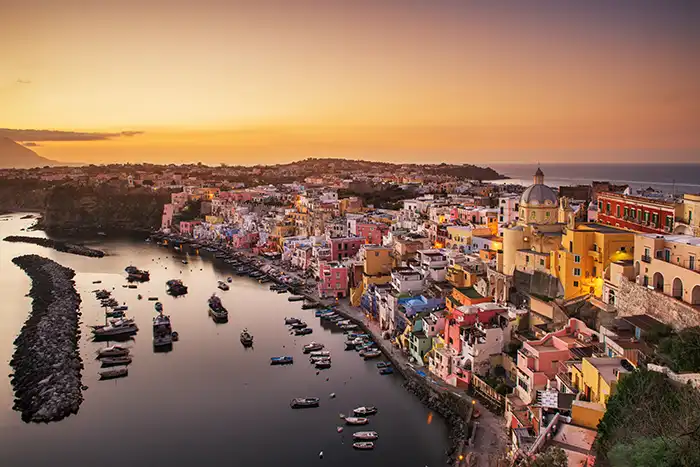
Comparing Italy and the U.S. shows how the sea family tradition bridges cultures. In Italy, traditions like the “Marriage of the Sea” ceremony in Venice tie communities to the ocean in a poetic way. In the U.S., events like the Blessing of the Fleet carry a similar spiritual weight. Both emphasize family in Italy with its close-knit clans, and the U.S. with its focus on passing skills to the next generation.
But Italy’s approach feels more intimate, rooted in small villages where everyone knows each other. The U.S. can feel broader, with traditions spread across diverse coasts. Neither is better—just different ways of loving the sea.
Bringing the Sea Home
You don’t need to live by the ocean to feel its pull. Try cooking a simple seafood dish, like grilled fish with herbs, to taste the essence of sea chef family traditions, or add coastal touches to your home, think blue glassware or a rope-accented mirror (AFFILIATE LINK). If you’re planning a trip, visit Italy’s Amalfi Coast or America’s Outer Banks to see the sea family tradition in action. Book a fishing tour or stay in a seaside village to soak it all in (AFFILIATE LINK).
Keep the Tradition Alive
Let’s celebrate the sea family tradition by supporting the communities that keep it going. Buy local seafood, visit coastal markets, or share a meal that honors the ocean. These small acts help preserve family traditions that define generations for years to come. Ready to dive in? Explore coastal-inspired products or plan your next seaside adventure (AFFILIATE LINK).
Share: