

Rediscover Joy with Italy’s Slow Fashion Revolution.
Why Slow Fashion Feels So Right Today
Slow fashion is stepping away from the madness of fast fashion and mass production. It is not a trend, but it’s a mindset, a new (or vintage) way of considering our clothing, our planet, and ourselves. Slow fashion is a return to care, to creativity, and to appreciating the quality of what we wear. Envision clothing that doesn’t need to be replaced in under a season, texture that’s just heavenly against your skin, and clothes that speak to the hands and hearts that created them.
When you’re in Italy, you’ll notice that the way people dress often offers a glimpse into local life—tailored silhouettes, natural linens, quiet elegance. This isn’t a coincidence. This is slow fashion, lived daily.
What Exactly Is Slow Fashion?
Let’s make it super clear: Slow fashion is the opposite of fast fashion. Where fast fashion is about buying more, more often, and usually cheaper, slow fashion is about buying less, more thoughtfully, and with more purpose.
The definition of slow fashion encompasses several key principles. Fashion items are produced using green, high-quality materials such as wool, cotton, or linen. They are not fashionable; they are ageless. Collections come out just twice a year, or even better, they’re part of a permanent seasonal collection. And rather than overflowing racks in huge malls, slow fashion is often sold in smaller stores, sometimes made-to-order, so there’s no extra waste. That’s good for you and good for the Earth.
Most Italian designers follow this rhythm. Instead of jumping on fleeting trends, they’re focused on making thoughtful pieces that last. Such fashion is often sourced, produced, and sold locally, part of the economy of daily life, not just for tourists but for locals in these towns and cities.
Fall in Love with Slow Fashion Dresses and Swimwear
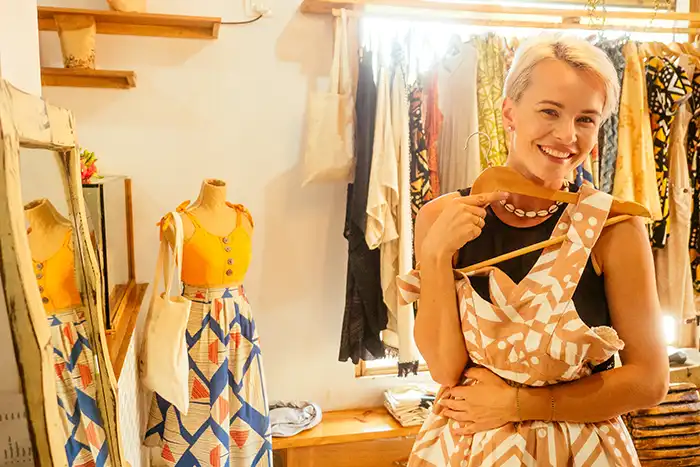
What makes slow fashion dresses special? It’s how they move, how they feel, how they age beautifully over time. Many are sewn from lightweight linens, breathable cottons, or recycled fabrics. They’re pieces that make you feel instantly at ease and confident, no matter the occasion. Imagine slipping into a dress that was hand-dyed using natural plants or stitched in a local workshop in Tuscany. That’s the soul of slow fashion.
Slow fashion swimwear is also making waves, especially along the Italian coastlines. These aren’t your throwaway swimsuits that stretch out after a summer. These are ethically made, from sustainable materials, with cuts that complement real bodies. Some brands even let you customize sizes or choose patterns from their limited-release collections, which are released just once or twice a year.
If you’re looking to add these timeless pieces to your closet, you’ll want to explore local Italian artisans and ethical online brands.
Why Slow Fashion Matters Now More Than Ever
The truth is, the fashion industry has a big impact on the environment. From toxic dyes to overflowing landfills, fast fashion has been part of the problem. But slow fashion is part of the solution.
Choosing slow fashion means you’re choosing clothes that use fewer resources, produce less waste, and support real people, not just corporations. It’s a way to fight back against throwaway culture and say yes to something more meaningful.
And then there’s this kind of subtle amazement of wearing something that wasn’t produced on an assembly line. You’re more individual, more unique. And it sparks talk. You may have someone ask, “Where did you get that dress?” and your answer is a story instead of a store name.
Slow Fashion vs Fast Fashion: What’s the Real Difference?
Fast fashion thrives on impulse. Cheap prices, trendy looks, rapid production—what could go wrong? A lot. Clothes wear out quickly, styles become outdated in weeks, and workers often face terrible conditions.
On the contrary, slow fashion is slow by design. It works with intention: trends are not chased. Instead, the offer for garments is really a love affair-wearing them for years on end. The considered creation is done in small batches with fair-paying wages.
In Italy, this idea has long existed, even before the term “slow fashion” caught on. Tailoring, repairing, and repurposing garments is second nature in many communities. Garments are an extension of identity, not just something you toss after a photo.
And yes, slow fashion usually costs more upfront. But over time, you actually spend less because you’re not constantly replacing worn-out items. That’s sustainability in action.
Italian Style and the Soul of Slow Fashion
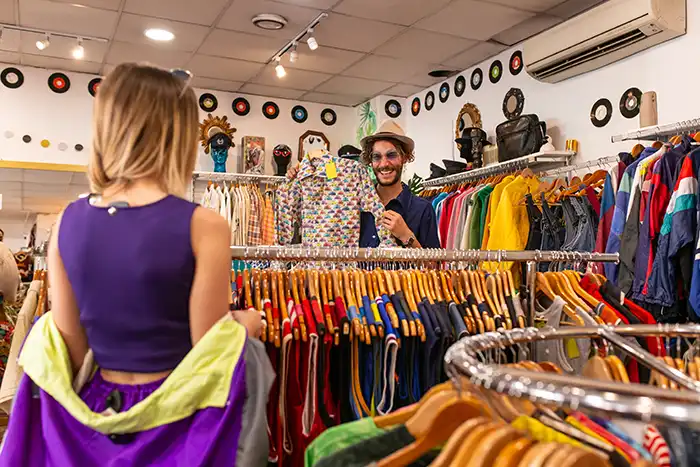
As you stroll through towns such as Florence, Bologna, or Lecce, you discover that the stores are akin to a studio. You catch glimpses of the creators in front of you, drawing new designs, folding colored cloth, sewing with their hands. Such stores are not flashy, but there are so many stories.
One of the hallmarks of an Italian slow fashion brand is that they are close to small in scale. You’ll be more likely to find a small, carefully curated boutique down a cobblestone street than at a mall. They focus on a few styles per season, each one honed over the years. Most of them offer made-to-order options, where you choose size, fabric, or color, so only what is needed gets made.
When you wear slow fashion from Italy, you’re also wearing a piece of its culture. That linen tunic from Puglia or that handwoven scarf from Umbria—it connects you to the land, the season, and the maker.
Some great spots to explore this side of Italy include towns known for their artisan communities. Look for brands with strong sustainability values, especially ones that are transparent about their materials and practices.
A Personal Take: Why I Switched to Slow Fashion
I’ll be honest. I used to be all-in on fast fashion. It was fun, cheap, and easy. But my closet filled up with pieces I barely wore. Things started fading, tearing, or just going out of style too quickly. I was spending more, not less.
Then I was in Italy. I recall walking into a small shop in Palermo, where a woman was weaving linen on a loom right in front of me. I bought one of her dresses, and I am wearing it years later. It fits like a memory.
That’s when I got it. Slow fashion isn’t just about clothes. It’s about slowing down everything. It’s about caring where things come from, supporting real people, and choosing beauty over quantity. Now I shop less, but better. I look for brands that reflect those values—many from Italy, and more and more from the U.S. too.
Italy vs U.S.: A Friendly Fashion Comparison
Here’s something to consider, especially for rich snippets:
Italy’s slow fashion tradition is deeply rooted in regional pride and craftsmanship. Small batches, natural materials like linen, and timeless styles are the norm. Clothes are made to last, often by hand, and worn with a sense of connection.
Slow fashion is gaining momentum in the U.S. There are more businesses choosing to produce locally, using sustainable materials, and reducing production to reduce waste. However, fast fashion reigns supreme, and changing consumer behavior is harder.
The difference? In Italy, slow fashion is a way of life. In the U.S., it’s still becoming a choice. But that choice is powerful—and growing. Whether you’re shopping in Milan or Portland, choosing slow fashion is one small but beautiful way to shape a better world.
Ready to Embrace Slow Fashion?
If you’re curious to start your slow fashion journey, here’s your cue. Next time you shop, ask yourself: Who made this? What’s it made of? Will I wear it next year?
Look for local brands, pieces made with love, and clothes that make you feel good inside and out. It’s not about being perfect—it’s about being mindful, and enjoying the process. Let’s slow down together, one outfit at a time.
Share: