
Exploring the Art of Italian Gardening: A Spring Journey Through Italy
The Art of Italian Renaissance Gardens
That is very good because it makes me experience a delightful and captivating ambience by creating a world of Italian gardening. The supreme March breathes life into Italy; it is the turning point of spring and ushering in the bloom burst into the deep colors, scents, and flavors of Italy’s gardens. This is not just pretty decorative landscapes; this is the most authentic and ancient cultural heritage as well as the lifestyle of the Italians. This literally means that gardening is fused into their lives with history and great food, and the guide will take you on a cross-sectional journey through Italian gardening traditions, then spotlight some iconic places where tourists can experience this art form in March.
Gardens in Italy retain elegance much as practicality; think of lemon groves perfuming the air along the Amalfi Coast, basil appearing in terracotta pots, and almond blossoms ushering in spring in Sicily. These spaces are testaments to centuries of tradition, fusing an often ornamental beauty with edible harvests-from olives and peaches to herbs. Whether the traveler heading to Italy for a chance to visit its green treasures or the gardening aficionado wishing to replicate a little bit of Italy at home, this series offers something for everyone.
What’s Ahead:
- The rich history of Italian gardening
- Must-visit garden destinations across Italy
- Iconic plants and their roles in Italian life
- Practical tips for your March visit
Ready to dig in? Let’s start with the roots of it all—Italy’s gardening heritage.
The Roots of Beauty: A History of Italian Gardening
Italian gardening is a story that spans millennia, deeply embedded in the nation’s cultural fabric. March, as the gateway to spring, is the perfect time to appreciate how these gardens have evolved.
It started from the Romans, who regarded their gardens as extensions of villas where they could relax and get some produce. They planted fruit trees like almond and peach trees, several herbs, such as basil, and cultivated olive trees for oil, combining pleasure and utility. Their old ruins, the Pompeii in particular, are still bearing the signs of this early design.
The Italian garden matured into an artistic endeavor fast forward to the Renaissance. Dreamers like Leon Battista Alberti hammered landscape upon landscape into elegant symmetry punctuated by terraces, fountains, and manicured hedges. The Villa d’Este in Tivoli, a 16th-century creation, stands testament to that glorious time with its waterworks and greenery and should be visited by tourists in March.
By the 18th century, Italian gardens softened into more natural layouts, inspired by English styles, yet retained their signature charm. Today, they’re living museums of Italy’s past, inviting visitors to step into history.
Why It Matters: Understanding this heritage enhances your visit, revealing the stories behind every lemon tree and stone pathway. Up next, we’ll explore the top gardens to experience this legacy firsthand. .
- Open Seed Vault 15,000 Non GMO Heirloom Vegetable Seeds for Planting…
- B&KM Farms 20,000+ Survival Seed Kit 5+ Year Supply. 30 Fruit & Vegetable…
- 32 Pack New Easy-Connect Drip Emitters Sprays for 1/4" Drip Irrigation Tubing…
- 10 Gallon 8-Pack Grow Bags, Durable PE Fabric Pots with Flap and Handles,…
- SUPER DEAL 120 Gallon Compost Bin, Outdoor 450 L Garden Composter, Large…
- GROWIT Heavy Duty Gardening Tools – 22-Piece Gardening Gifts for Women, Men,…
- 4-in-1 Soil Moisture Meter Digital PH Meter/Soil Moisture/Plant…
- Plant Labels 120PCS, Darfukei Outdoor Waterproof Garden Markers, Plastic…
Welcoming Spring – An Introduction to Italian Gardening in March
March marks the beginning of spring in Italy, a season of renewal that transforms the country’s iconic gardens into vibrant displays of life. From the lemon-scented terraces of the Amalfi Coast to the basil-filled courtyards of Tuscany, Italian gardens are a celebration of beauty, flavor, and tradition.
In this blog series, we will take you through Italian gardening and the significance of March. You will know about trees, flowers, and greens that are defined in this season, culinary delights inspired by them, and the heavenly garden spots drawing tourists from the world over. Whether you’re planning a trip to Italy or dreaming of having its charm in your garden, here lies your guide.
We’ll explore:
- The iconic plants that bloom in March, like almond trees and peach blossoms.
- How herbs and greens fuel Italy’s world-famous cuisine.
- The top Italian gardens to visit, rich with history and allure.
- Practical tips to create your own Italian-inspired garden.
Let’s start by diving into the roots of Italian gardening and what makes it so unique in springtime.
Blooming Wonders – Trees and Flowers of Italian Gardens
As March unfolds, Italian gardens burst into life with a palette of colors and scents. The trees and flowers that thrive this month are not just beautiful—they’re woven into Italy’s history and way of life.
- Lemon Trees: Synonymous with the Amalfi Coast, lemon trees start blooming in March, their fragrant white flowers promising the juicy fruits used in limoncello and desserts. These trees are a symbol of Mediterranean abundance.
- Almond Trees: Across Sicily and southern Italy, almond trees paint the landscape with delicate pink and white blossoms, a stunning sign of spring’s arrival. Their nuts are a culinary staple.
- Peach Trees: In regions like Emilia-Romagna, peach trees begin to bud, offering a preview of the sweet fruits to come. Their soft pink flowers add a romantic touch to gardens.
- Bougainvillea: This vibrant climber drapes over walls and pergolas, its purple and pink blooms adding drama to coastal gardens.
These plants aren’t just decorative—they tell stories of Italy’s agricultural past and its love for beauty. Visiting an Italian garden in March lets you witness this natural artistry up close.
Garden to Plate – Culinary Herbs and Greens in March
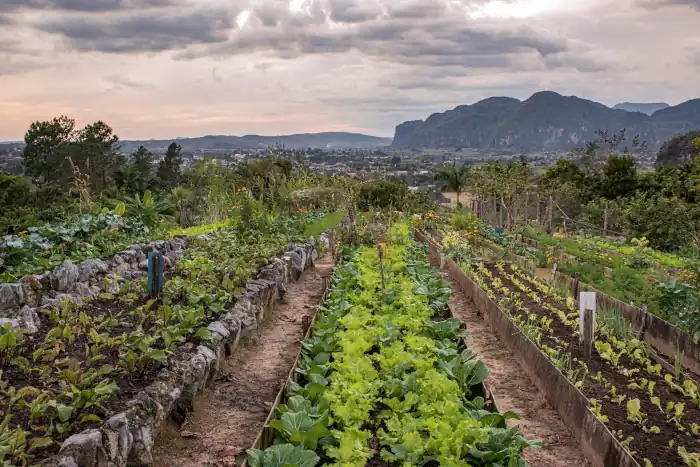
Italian cuisine owes much of its magic to the fresh herbs and greens harvested from its gardens, and March is when these plants begin to thrive. Here’s a taste of what’s growing:
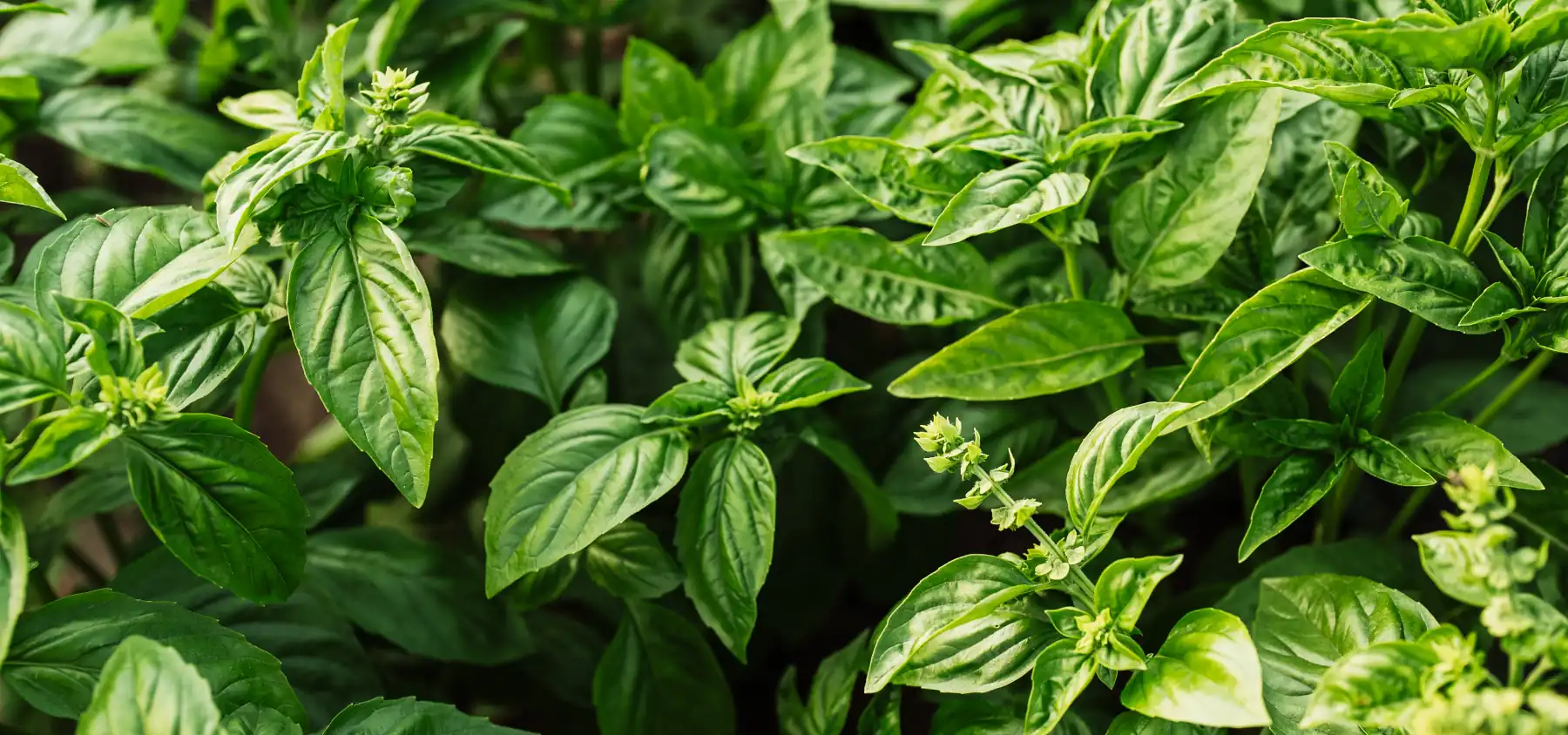
- Basil: The star of pesto, basil sprouts tender leaves in March, perfect for pasta or Caprese salads. It’s often grown in sunny pots or plots.
- Rosemary: This hardy herb fills gardens with its woody aroma, ideal for roasting meats or flavoring focaccia. It doubles as a low-maintenance shrub.
- Parsley, Majorana, Oregano and Thyme: These Mediterranean classics add earthy notes to sauces and stews, thriving in the warming soil.
- Arugula: A peppery green, arugula grows wild and in gardens, bringing a fresh bite to spring salads.
In Italy, gardening and cooking go hand in hand. March is the perfect time to plant these essentials, ensuring a summer of homegrown flavor. Try starting with a small herb garden—your taste buds will thank you!
Garden Gems – Visiting Italy’s Top Gardens in March
Italy’s gardens are world-famous, and March is a prime time to visit as spring awakens their beauty. Here’s a guide to the top destinations, with details on what makes each one special:
- Villa d’Este, Tivoli (Lazio):
- Attractions: A UNESCO World Heritage site, this Renaissance masterpiece boasts over 500 fountains, including the dramatic Fountain of Neptune. March brings blooming camellias and early greenery.
- Why Visit: The terraced layout and water features showcase Italian garden design at its peak.
- Boboli Gardens, Florence (Tuscany):
- Attractions: Behind the Pitti Palace, this 16th-century garden features manicured hedges, statues, and grottoes. In March, almond blossoms add charm.
- Why Visit: It’s a living museum of art and nature, perfect for history lovers.
- Giardini di Ninfa, Cisterna di Latina (Lazio):
- Attractions: Known as “the most romantic garden in the world,” this medieval ruin is overgrown with roses, magnolias, and flowing streams. March sees its first blooms.
- Why Visit: Its wild, fairy-tale vibe is unforgettable.
- Villa Carlotta, Lake Como (Lombardy):
- Attractions: Famous for its azaleas and rhododendrons, which start blooming in March, this garden offers stunning lake views.
- Why Visit: The combination of floral displays and serene waters is pure bliss.
- Isola Bella, Lake Maggiore (Piedmont):
- Attractions: Part of the Borromean Islands, this Baroque garden rises in terraced pyramids, adorned with peacocks and citrus trees. March awakens its blooms.
- Why Visit: The theatrical design and island setting make it a standout.
Travel Tip: Book tickets in advance for popular spots like Villa d’Este and Boboli Gardens, especially as spring tourism picks up.
Hidden Treasures – More Italian Gardens to Explore
Beyond the famous estates, Italy hides lesser-known gardens that shine in March. Here are some treasures worth seeking out:
- Villa Cimbrone, Ravello (Campania):
- Attractions: Perched on a cliff along the Amalfi Coast, this garden features the “Terrace of Infinity” with breathtaking sea views and blooming wisteria in March.
- Why Visit: Its serene beauty and panoramic vistas are a photographer’s dream.
- Giardino Morgenstern, Merano (South Tyrol):
- Attractions: A botanical wonder with over 80 themed gardens, from Japanese-inspired sections to alpine flora. March showcases early bulbs and fruit tree blossoms.
- Why Visit: It’s a peaceful escape blending Italian and Austrian influences.
- Secret Gardens of Venice (Veneto):
- Attractions: Tucked behind palazzos, these private courtyards bloom with roses and citrus trees in spring. Look for open-garden days in March.
- Why Visit: They offer an intimate glimpse into Venetian life.
- La Mortella, Ischia (Campania):
- Attractions: Created by composer William Walton, this subtropical paradise features lotus ponds and rare plants, thriving in March’s mild weather.
- Why Visit: Its exotic flair feels like a world apart.
These hidden gems offer a quieter, more personal experience of Italian gardening culture. Check local tourism sites for visiting hours, as some require reservations.
Beauty and Beyond – Italian Gardens in Culture and Care
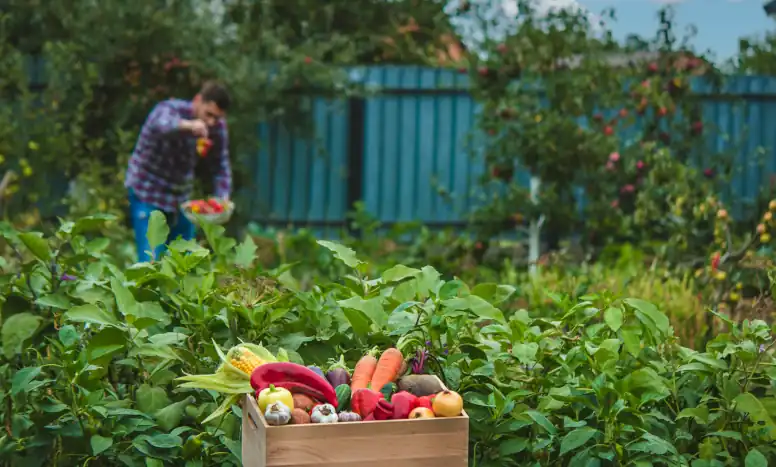
Italian gardens are more than just landscapes—they’re a reflection of centuries of culture and ingenuity. In March, this heritage comes alive with practical and aesthetic traditions:
- Cultural Roots: Dating back to Roman times, Italian gardens evolved through the Renaissance into symbols of harmony and elegance. Fruit trees like almonds and peaches, prized for both beauty and bounty, embody this duality.
- Beauty in Use: Plants like lavender and rosemary aren’t just ornamental—they’re distilled into soaps and oils, a nod to Italy’s beauty traditions.
Tips for Your Own Italian Garden:
- Plant Fruit Trees: Start with a peach or almond sapling for spring blossoms and summer harvests.
- Grow Culinary Stars: Pot basil and rosemary for easy access and authentic Italian flair.
- Add Rustic Charm: Use terracotta pots and stone paths to mimic Italy’s timeless style.
- Think Symmetry: Arrange plants in balanced patterns for that classic Italian look.
March is the perfect time to begin, as the soil warms and plants take root. Enjoy the process—it’s as rewarding as the results!




Share: