
Discover the Joy of Artisan Bread: A Slice of Tradition and Flavor
A Heartwarming Look at Artisan Bread and the Lifestyle Behind It
Artisan bread isn’t just something you pick up on the way home from work—it’s a story, a lifestyle, and a return to authenticity and whether you’ve smelled a fresh loaf coming out of a brick oven in a small Italian village or savored a slice of tangy sourdough in a local U.S. bakery, you’ve experienced a piece of this beautiful tradition. The charm of artisan bread lies in how it’s made: slowly, thoughtfully, and with a whole lot of love.
If you’ve ever thought about what it would be like to become an artisan baker, you’re not alone. The lifestyle of an artisan bread baker is one that moves against the clock—literally. It starts in the early hours of the morning, long before the town wakes up, and it’s driven by a deep passion for quality and heritage.
What Makes Artisan Bread So Special?
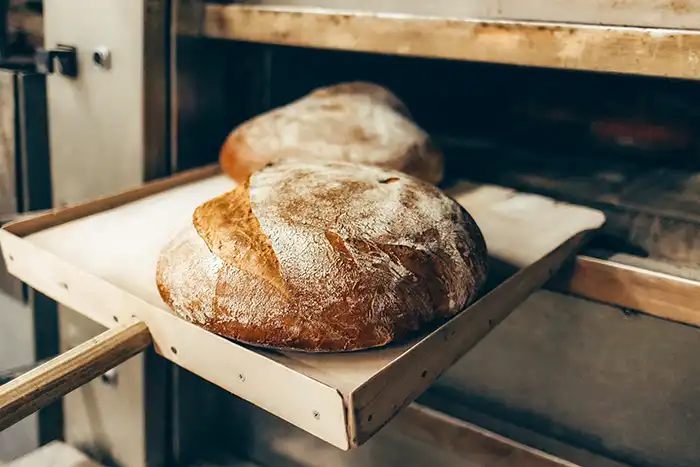
When you bite into artisan bread, you can feel the difference, and this isn’t your average, mass-produced loaf from the supermarket shelf. This is bread that breathes. From sourdough bread with its complex, tangy taste to soft, chewy ciabatta with giant air pockets, artisan bread flavors reflect real craftsmanship.
One of the biggest differences between artisan bread and regular bread lies in the ingredients and process. Artisan loaves often use simple, high-quality ingredients—flour, water, salt, and natural yeast—and are given time to ferment, rise, and develop naturally, while in contrast, regular store-bought bread is typically processed quickly using commercial yeast, preservatives, and additives to extend shelf life.
It’s not just about flavor—artisan bread is healthier than processed bread, too, and the slow fermentation helps break down gluten, which can be easier on your stomach. Plus, natural ingredients mean fewer chemicals and more nutrients.
Regional Italian Artisan Breads: More Than Just Loaves
Italy is like a treasure map when it comes to artisan bread, and every region has its own signature style, flavor, and story behind each loaf. In Tuscany, you’ll find pane sciocco, a saltless bread made to complement the region’s salty cheeses and cured meats, instead in Liguria is famous for focaccia, which is soft, golden, and often topped with rosemary and olive oil, while the traditional head down in Puglia, and you’ll meet pane di Altamura, a dense, crusty bread made from durum wheat and baked in wood-fired ovens.
Sardinia offers something completely different, pane carasau, a thin, crispy flatbread that lasts for months and was originally made for shepherds. In Sicily, try coppia ferrarese or mafalde, both full of sesame seeds and character. Each of these breads tells you something about the place, the people, and how they live—and that’s the magic of the artisan lifestyle in Italy. These aren’t just recipes. They’re heritage in edible form.
The Artisan Baker Lifestyle: Living Against the Clock
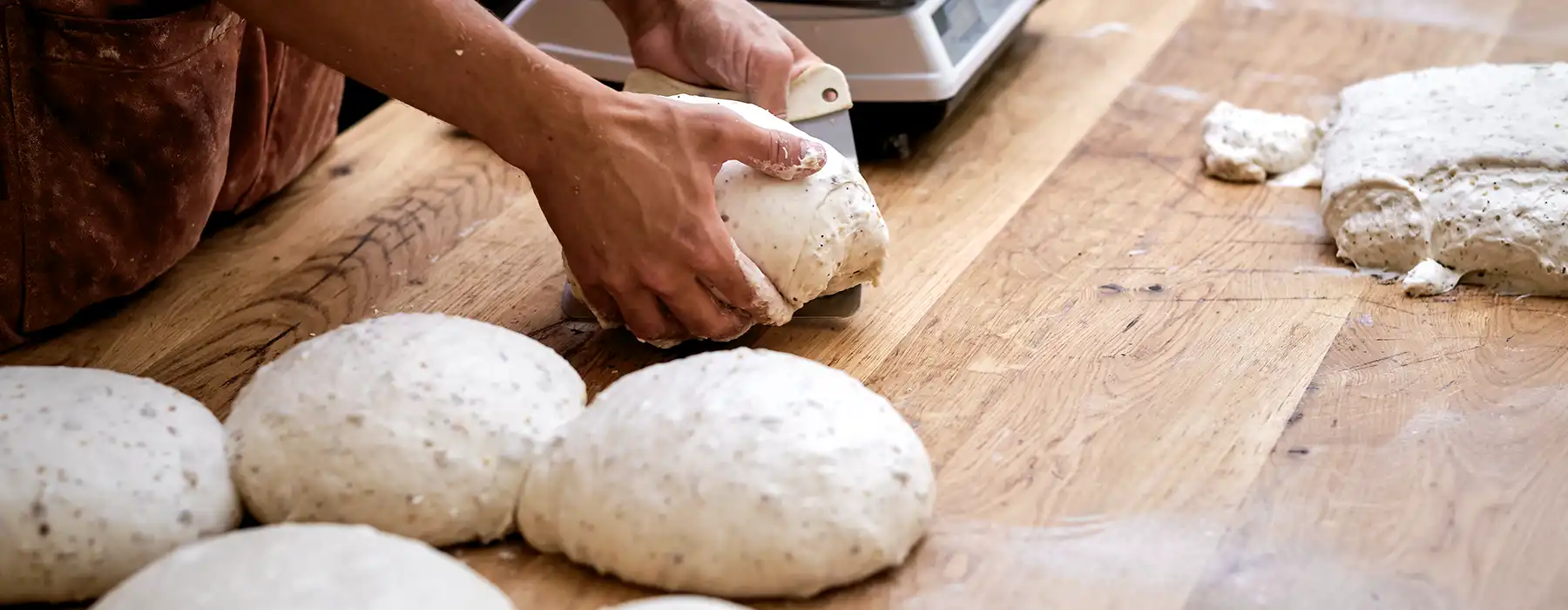
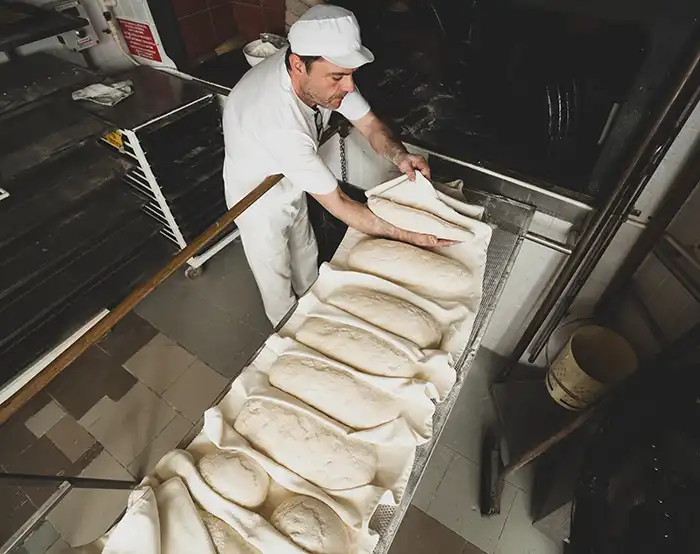
Being an artisan bread baker means embracing a life that’s anything but typical. While the world sleeps, these bakers are awake, gently folding dough, firing up ovens, and nurturing their creations, and this artisan baker lifestyle that moves against the clock brings you closer to nature’s rhythms. You learn patience, focus, and the deep satisfaction of creating something nourishing from just four ingredients.
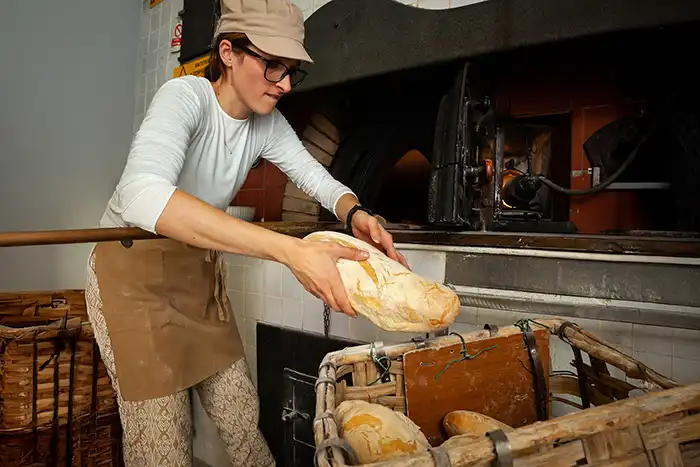
In Italy, this way of life is seen not just as a job, but as an art form passed down through generations. And that’s the real charm. Italian bakers often say they don’t just make bread—they continue a legacy. There’s something inspiring about watching a third-generation baker prepare loaves the same way their grandparents did.
The Morning Economy: A Bakery’s Day Begins Before Dawn
Let’s talk about the artisan bread bakery morning economy—a concept many overlook, but these bakeries are often the first to open and last to close, fueling their communities with fresh loaves and a warm atmosphere. Before most of us even think about coffee, a small crew of dedicated artisans has been hard at work for hours.
And guess what? This early start helps maintain that local insight and community connection. Regular customers know their bakers by name. Tourists stumble into bakeries that feel like home. And everything revolves around bread that’s made with heart.
How to Become an Artisan Baker (And Why You Might Love It)
Dreaming of becoming an artisan bread baker? It starts with curiosity and a little flour. Many bakers begin at home, testing out small batches in a Dutch oven or artisan bread pot. (Here’s where you can check out some amazing starter kits and Dutch ovens.
The next step often involves training—either in culinary school, through apprenticeships, or by working in a local bakery, but the true secret? Passion and patience. There’s no shortcut. You learn by doing, failing, and doing again. But each loaf you pull out of the oven is a reward in itself.
What Do Bakers Do? (Hint: It’s More Than Just Bread)
Ever wondered what the duties and responsibilities of a baker . Beyond shaping loaves, bakers are artists, scientists, and timekeepers. They measure ingredients with precision, maintain temperature-sensitive environments, and monitor fermentation like it’s a living thing (because it kind of is).
Bakers also handle ordering supplies, keeping up with hygiene standards, managing staff, and—perhaps most importantly—creating a space that feels welcoming, and in Italy, a good bakery is the heartbeat of a neighborhood. In the U.S., many artisan bakeries are becoming exactly that.
The Artisan Lifestyle: A Deeper Look into Local Life
The artisan lifestyle offers insight into local life that you won’t get from a chain store. In small-town Italy, the baker knows everyone’s name. Tourists often find their most authentic experience not in museums, but in the local bakery.
It’s here that you truly explore deeper layers of tradition, design, and lifestyle, from the rustic stone ovens to hand-scored dough patterns, everything reflects a connection to place and time. It’s not just about baking—it’s about living with intention.
And the best part? You can start living a little of that lifestyle wherever you are. Home baking is booming in the U.S., and with the right tools and guidance, you can recreate that old-world feel right in your kitchen.
Artisan Bread in Italy vs. the U.S.: A Warm Comparison
Here’s where it gets fun. Let’s compare the artisan bread experience in Italy and the U.S., with a few personal thoughts thrown in.
In Italy, artisan bread is deeply tied to place, and you’ll find pane toscano in Tuscany, pane carasau in Sardinia, and each has its own story and ingredients. Bakers are seen as cultural custodians. Bread isn’t just food—it’s part of the day’s rhythm.
In the U.S., there’s an exciting revival happening, and more and more people are craving real, slow food, and small artisan bakeries are popping up everywhere. What the U.S. may lack in centuries-old traditions, it makes up for in innovation and community spirit.
Here’s the bottom line: both cultures love bread. But while Italy preserves tradition, the U.S. is building new ones—and that’s pretty amazing.
Let’s Bake Together
If this article has sparked your love for artisan bread, maybe it’s time to roll up your sleeves, and whether you’re visiting Italy or exploring local bakeries in your hometown, there’s always a story in every loaf. Want to start baking at home? Check out our favorite baking tools and resources.
Your next adventure might just start with flour, water, and a little wild yeast.
Helpful Recommendation, Products and More.
Craving the smell of fresh artisan bread at home? It’s easier than you think to start baking your own rustic loaves or to discover local artisan bakeries. Whether you’re ready to explore home baking or support your neighborhood bread maker, take that next step—because nothing says comfort like a warm, fresh slice.

Share: