
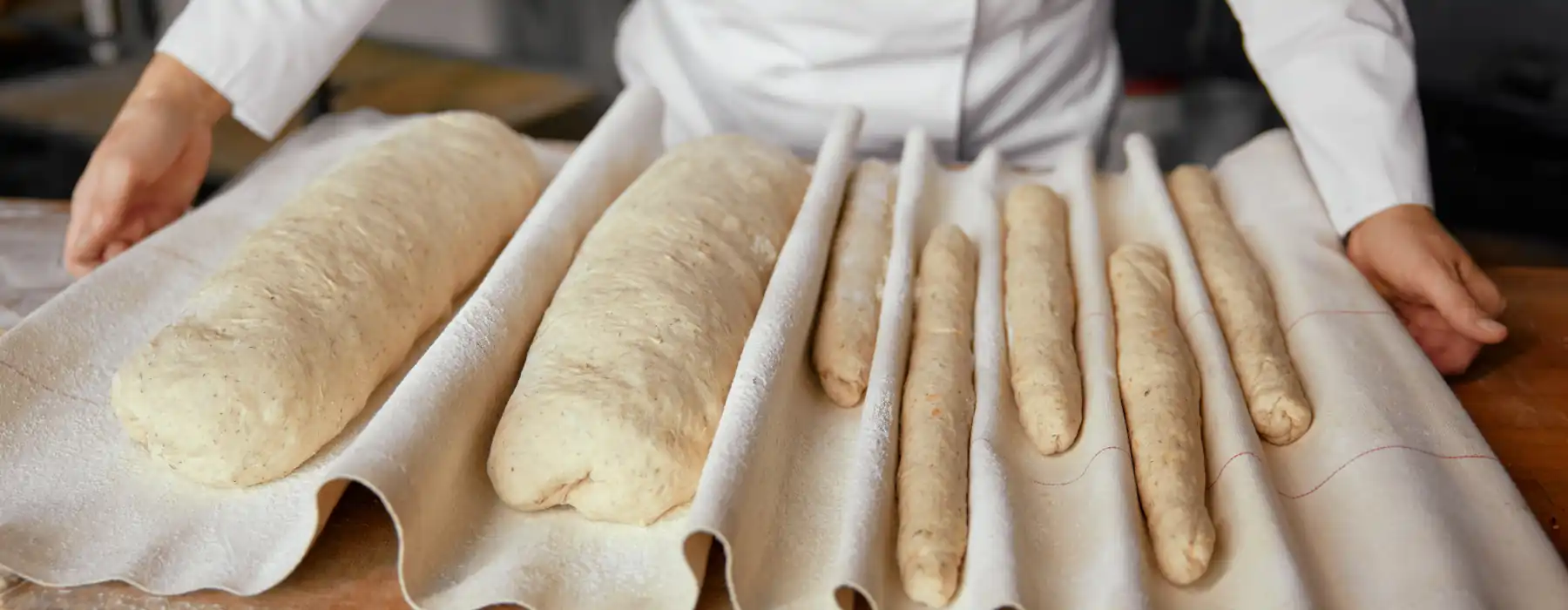
The Joy of Craftsmanship Tourism in Italy
Discovering Craftsmanship Tourism
Craftsmanship Tourism is more than just traveling; it’s about slowing down, looking closer, and stepping into the workshops where Italy’s history and creativity live on. For many travelers from the US, Italy is already a dream destination for food, fashion, and history, but there’s a deeper layer to explore: the craftsmanship stories that shape local identity.
Walking through a small town in Tuscany or a hidden street in Naples, you might find a shoemaker bent over his leather, a ceramic artist shaping clay, or a jeweler engraving silver. These are not just beautiful objects; they are living traditions, passed down through families and communities, and choosing craftsmanship tourism means choosing to connect with the hands and minds behind objects that last.

Craftsmanship Stories That Shape Local Identity
Italy is famous for style and elegance, but what truly defines its spirit is sprezzatura, a word that means effortless grace. When you watch an artisan at work, you can see this identity in motion: every stitch, brushstroke, or carve blends heritage and culture into something timeless.
The beauty of craftsmanship stories is that they are not staged performances, but they are real lives unfolding in real workshops. A master tailor in Florence isn’t just cutting fabric—he is continuing a dialogue between past and present, and a glassblower in Venice isn’t just making a vase—he is shaping centuries of tradition into one fragile, glowing moment.
These stories give us insight into local life, showing us how Italians balance tradition and innovation, pride and humility, artistry and everyday needs.
Exploring Tradition, Design, and Lifestyle
One of the joys of craftsmanship tourism is how it allows you to explore deeper layers of tradition, design, and lifestyle. Italy’s regions each tell their story through unique skills: Florence whispers through leather, Sicily sings through ceramics, Venice glows through glass, and Milan refines through fashion design.
The rhythm of an artisan’s day is slower, more attentive, and rooted in care, and when you step inside a workshop, you step outside of rushed consumer culture and enter a space where creativity and quality matter more than speed. This is the core of slow travel, and it echoes the values of slow fashion and sustainable living that are becoming so important in the US as well.
Culture & Heritage Museums
Museums are often the gateways to culture and heritage tourism, and Italy offers thousands of them. But what makes Italian culture different is how seamlessly it connects the meaning of craftsmanship with daily life. Visiting a museum in Florence or Rome is not just about admiring a finished masterpiece, but about understanding the heritage and culture importance behind it.
For example, the Bargello Museum in Florence holds centuries of sculpture, weapons, and decorative arts—all showcasing how technique and artistry shaped everyday objects. Meanwhile, smaller local museums preserve the memory of craft guilds, weaving cooperatives, and pottery families that carried traditions for centuries.
By combining museum visits with actual artisan workshops, travelers can experience both the heritage and the living culture, seeing the difference between what is preserved and what is still being made today.By combining museum visits with actual artisan workshops, travelers can experience both the heritage and the living culture, seeing the difference between what is preserved and what is still being made today.
- LA MOLISANA Rimacinata Double Milled Semola Flour, 1000 GR
- Cavatelli Maker Machine w Easy to Clean Rollers – Makes Authentic Gnocchi,…
- Electric Pasta Maker, Automatic Noodle Machine 135W Commercial Dough Roller…
- Maison d' Hermine Placemats Set of 4 100% Cotton Washable Cloth Place Mats,…
- LIANYU 24-Piece Silverware Set with Steak Knives for 4, Stainless Steel…
Heritage vs. Culture: What’s the Difference?
Many travelers use the words heritage and culture interchangeably, but there’s a subtle distinction that comes alive when you experience craftsmanship tourism in Italy.
Heritage is what is inherited—the old buildings, the ancient tools, the recipes, the masterpieces hanging in museums. Culture, on the other hand, is alive—it’s the way people continue to use those traditions today, adapting them for new generations.
So while a loom in a museum might represent heritage, a woman weaving in Sardinia today represents culture. Understanding this difference makes craftsmanship tourism richer, because you begin to see how Italians keep history relevant without freezing it in time.
The Identity of Italian Sprezzatura
To understand Italian craftsmanship is to understand sprezzatura, that unique ability to make complexity look simple, and to turn ordinary life into beauty. Whether it’s the curve of a ceramic plate or the cut of a jacket, Italian artisans embody this balance between elegance and effortlessness.
In American culture, craftsmanship often emphasizes function and practicality, but in Italy, it merges with a lifestyle of grace, design, and storytelling. This identity doesn’t come from trends; it comes from centuries of practice and pride.
Craftsmanship Meaning for Today’s Traveler
So why all of this to an Italy traveler in today’s age? It is that craftsmanship tourism is not souvenir shopping—it’s experience. Observing a shoemaker in Florence, learning ceramics in Umbria, or taking a seat with a winemaker in Piedmont are all means of comprehending the craftsmanship meaning that binds people, place, and memory.
These experiences are not only enriching but also responsible, and choosing to spend money on handcrafted goods supports local economies, preserves endangered skills, and creates objects that truly last—a powerful alternative to fast consumption. And yes, if you fall in love with an artisan bag or a handblown glass piece, you can also find ways to bring it home, often even through online shops.
Italian Craftsmanship Tourism vs. the US Experience
Now let’s make a clear consideration between Italy and the US, the kind that can appear in rich snippets.
Craftsmanship tourism in Italy is rooted in centuries of heritage, where artisans pass down skills through generations and tie their work to local identity and tradition. In the United States, craftsmanship often focuses on innovation, individual creativity, and blending old-world techniques with modern technology.
While Italy emphasizes continuity—preserving and celebrating a shared identity through craft—the US celebrates reinvention, experimentation, and personal expression. Both are valuable, but they offer different ways of experiencing culture and heritage tourism.
For American travelers, exploring Italian workshops is like stepping back into a world where history is still alive, while supporting artisans at home often means encouraging new voices and independent creators. Together, they show us that craftsmanship, whether in Florence or Brooklyn, is one of the strongest ways humans connect through objects that carry meaning.
Helpful Recommendation, Products and More.
If you’ve ever dreamed of experiencing Italy beyond monuments and piazzas, craftsmanship tourism is your chance. Step into a workshop, listen to the stories that shape local identity, and discover not only how things are made but why they matter.
Next time you plan a trip, consider adding artisan visits to your itinerary; it’s a way to experience Italy’s heritage and living culture in one unforgettable journey. And if you’re not ready to fly yet, you can also discover authentic artisan products online. Supporting craftsmanship—whether in Italy or the US—is a way of keeping stories, traditions, and beauty alive.
Product Tips
Elegant Shoulder Bag Pouch Suede Shoulder Bag Korean Style
Original price was: $28.04.$13.46Current price is: $13.46.Bag Faux Suede Slouchy Shoulder Bag Women Solid Handbag
Original price was: $32.81.$14.43Current price is: $14.43.Wheat Straw Eco Dinnerware Sets Plates Dishwasher Microwave
Original price was: $44.26.$14.16Current price is: $14.16.








Share: