
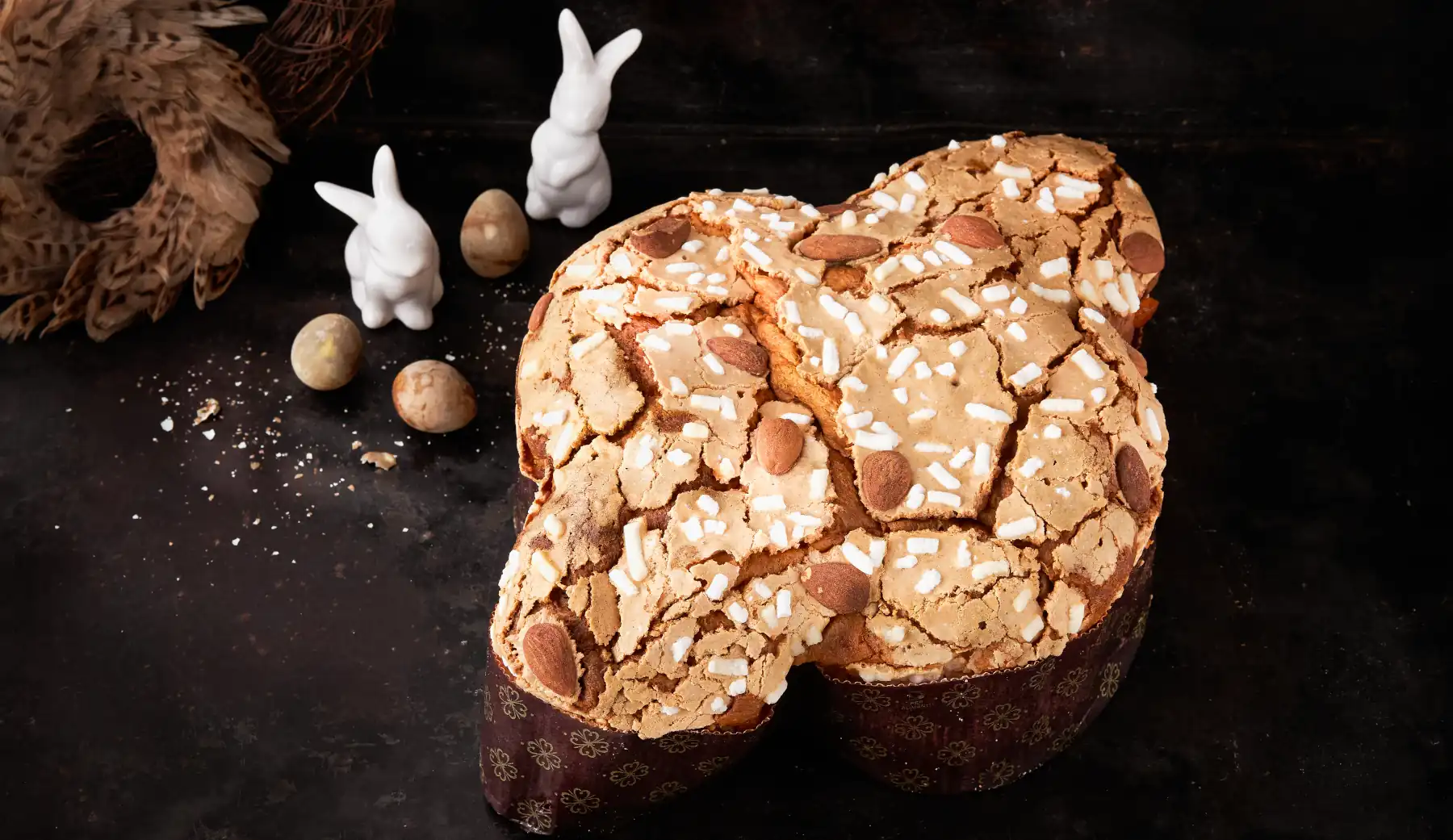
The Art of Italian Culinary Cuisine: Exploring Easter Traditions in April
The Importance of Easter in Italian Culture
Easter is Pasqua in Italian, and according to a majority of sources, it is one of the most important holidays in Italy. Among deep Catholic traditions, Easter became the time for religious observances to meals with family and friends. With the influence of Lent and Holy Week, they prepare foods based upon fasting traditions that generally lead to a grand feast during the event of Easter. In Italy, April is when the magic happens, as spring bursts into bloom, and when Easter-Pasqua gathers families to feast on a range of heritage dishes from regions. From savory pies to sweet cakes, Easter in Italy is full of amazing tradition, firmly based on history, local ingredients, and on the happiness of renewal. Among the most striking customs controls the making of traditional Easter cakes and breads, each with a different symbolism and connection to the past. Let’s travel through the regional Easter delicacies of Italy and explore their rich histories. Let’s start this amazing and mouth-watering experience across the spring table of Italy!
Welcome to Italy’s Easter Culinary Wonders
Not a mere date on a calendar, rather Easter within Italy is a period where faith, family, and food are, of course, all related-but different from region to region. This is time perfect to enjoy the culinary landscape of Italy-by foot through the historical markets or just eating a slice of Colomba cake-under blossoming landscapes after mild weathers in April. This guide is to describe:
Liguria: The layered Torta Pasqualina and Genoa’s coastal charm.
Campania: Naples’ fragrant Pastiera Napoletana and its vibrant street, Casatiello Napoletano, the Rustic Easter Bread
Emilia-Romagna: Bologna’s colorful Zuppa Inglese and foodie havens.
Sicily: Palermo’s ornate Cassata Siciliana and cultural crossroads.
Tuscany: Florence’s iconic Colomba and Renaissance beauty.
Veneto: Venice’s sweet Fugassa and canal-side magic.
Sardinia: Sardinian Pardulas a Cheesy Easter Treat
Lazio: Carciofi alla Romana Roman-style artichokes, a seasonal delicacy often served during Easter.
Spring Bonus: The fresh and festive Pasta Primavera and Lamb.
Ready to taste Italy’s Easter spirit? Let’s start with Liguria.
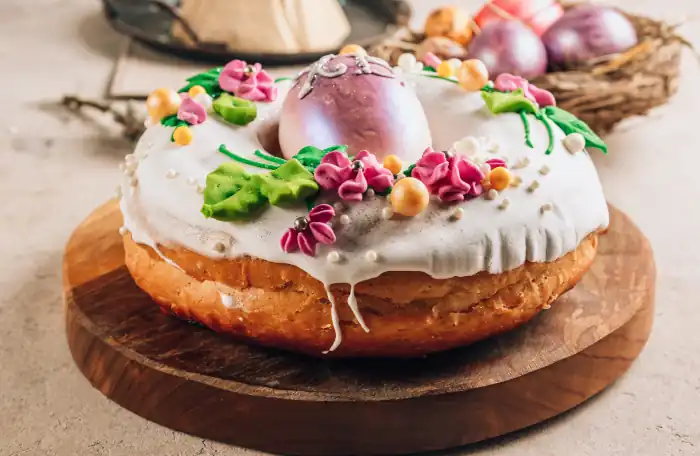
Liguria – Torta Pasqualina and Genoa’s Coastal Allure
The Dish: A Savory Easter Classic
Liguria’s Torta Pasqualina is a savory masterpiece, featuring thin pastry layers—traditionally 33, symbolizing Christ’s life—stuffed with Swiss chard or spinach, ricotta, and whole eggs that crack open to reveal golden yolks. The recipe, dating back to the Renaissance, is symbolic of rebirth, with whole eggs baked inside representing new life.
Why Visit Liguria?
Liguria, with its rugged coastline and pastel villages, is a feast for the eyes and palate. Genoa, the region’s capital, is a must-visit during Easter:
Characteristic Attractions:
Genoa’s Historic Center: Wander narrow caruggi (alleys) lined with medieval architecture.
Porto Antico: Explore the old port, home to the Aquarium of Genoa, a family-friendly gem.
Mercato Orientale: Shop for fresh chard and ricotta to taste the ingredients firsthand.
Culinary Highlight: Sample Torta Pasqualina at Panificio Claretta, a local favorite.
Practical Tips for Tourists
Best Time: Easter Sunday for festive markets and church processions.
Getting There: Fly into Genoa Cristoforo Colombo Airport or take a train to Genova Piazza Principe.
Where to Stay: Opt for a hotel near the port for easy access to sights and bakeries.
Try at Home: Use a Non-Stick Springform Pan for perfect layers.
Affiliate Pick: Roll out pastry like a pro with a High-Quality Rolling Pin or explore Liguria’s recipes with a Regional Cookbook.Practical Tips for Tourists
Torta Pasqualina recipe, Easter in Liguria, Italian savory pies.
Campania – Pastiera Napoletana and Naples’ Vibrant Soul
The Dish: A Sweet Spring Gift
Pastiera Napoletana is Campania’s Easter treasure, a ricotta and wheat cake perfumed with orange blossom water and studded with candied citrus. Said to be a gift from the siren Parthenope, it’s a symbol of Naples’ rich history and springtime bounty.
Why Visit Campania?
Naples bursts with energy, especially in April when Easter preparations fill the air with sweet aromas:
Characteristic Attractions:
Spaccanapoli: Stroll this historic street to see artisans and taste street food.
Naples Underground: Tour ancient tunnels for a dose of history.
Mercato di Porta Nolana: Grab orange blossom water and local cheeses.
Culinary Highlight: Enjoy Pastiera at Scaturchio, a legendary pasticceria since 1905.
Practical Tips for Tourists
Best Time: Holy Week, when bakeries showcase their best Pastiera.
Getting There: Fly into Naples International Airport or arrive via high-speed train.
Where to Stay: Stay near Piazza del Plebiscito for proximity to food and culture.
Make It Yourself: Source Organic Wheat Berries for authenticity.
Affiliate Pick: Bake like a Neapolitan with a Traditional Tart Pan or savor Campania’s sweets with a Dessert Cookbook.
- Broadway Basketeers Valentines Gift Basket – Kosher Gourmet Snack & Chocolate…
- Wine Country Gift Baskets The Connoisseur Gourmet Gift Basket Food Gift…
- Chocolate Gift Basket Premium of Chocolates, Cookies, and Candy by…
- Premium Chocolate & Dried Fruit Gift Box – Gourmet Chocolate-Covered Treats &…
- Chocolate Gift Box with Assorted Gourmet Chocolates – Food Gift Basket for…
- Easter Candy and Chocolate Platter with Milk Chocolate Bunnies, Chocolate…
- Cadbury Twirl Chocolate Easter Egg 171g
- Cadbury Dairy Milk Freddo Egg 90g
Emilia-Romagna – Zuppa Inglese and Bologna’s Foodie Paradise
The Dish: A Layered Easter Delight
Zuppa Inglese, despite its “English Soup” name, is an Italian trifle from Emilia-Romagna. With sponge cake, custard, and a splash of rosy Alchermes liqueur, it’s a festive treat that brightens Easter tables.
Why Visit Emilia-Romagna?
Bologna, the region’s culinary heart, is a dream for food lovers in April:
Characteristic Attractions:
Piazza Maggiore: Admire medieval towers and bustling cafés.
Quadrilatero Market: Sample cheeses, meats, and desserts.
Basilica di San Petronio: A Gothic marvel with stunning views.
Culinary Highlight: Taste Zuppa Inglese at Pasticceria Gamberini, a Bologna institution.ogna, the region’s culinary heart, is a dream for food lovers in April:
Practical Tips for Tourists
Best Time: Easter weekend for vibrant markets and seasonal menus.
Getting There: Fly into Bologna Guglielmo Marconi Airport or take a train to Bologna Centrale.
Where to Stay: Book near the historic center for walkable food tours.
DIY Tip: Use Ladyfinger Cookies for easy layering.
Serve in style with a Glass Trifle Bowl or explore Emilia-Romagna with a Bologna Food Guide.
Sicily – Cassata Siciliana and Palermo’s Cultural Mosaic
The Dish: A Sweet Symbol of Spring
Cassata Siciliana is Sicily’s Easter crown jewel, a ricotta-filled sponge cake wrapped in marzipan and topped with candied fruit. Its vivid colors and intricate design reflect the island’s Arab-Norman heritage.
Why Visit Sicily?
Palermo, Sicily’s vibrant capital, comes alive in April with Easter festivities:
Characteristic Attractions:
Palazzo dei Normanni: Marvel at its golden mosaics.
Mercato di Ballarò: Shop for candied fruit and spices.
Cattedrale di Palermo: A stunning blend of architectural styles.
Culinary Highlight: Try Cassata at Pasticceria Cappello, a local gem.
Practical Tips for Tourists
Best Time: Easter Sunday for processions and sweets.
Getting There: Fly into Palermo Falcone Borsellino Airport or ferry from mainland Italy.
Where to Stay: Choose a hotel near Via Vittorio Emanuele for easy exploring.
Make It at Home: Use Marzipan Paste for authentic flair.
Craft your own with a Springform Cake Pan or dive into Sicilian recipes with a Dessert Recipe Book.
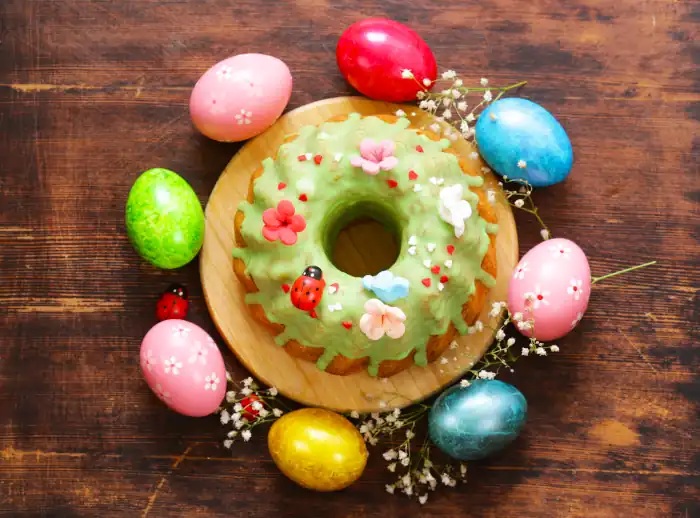
Tuscany – Colomba and Florence’s Renaissance Charm
The Dish: The Dove of Peace
Colomba, a dove-shaped Easter cake with candied orange peel and almonds, is Italy’s symbol of peace. Originating in Lombardy, the cake has been taken up by Tuscan bakers.
Why Visit Tuscany?
Florence, the cradle of the Renaissance, shines in April with spring blooms and Easter treats:
Characteristic ACharacteristic Attractions:
Duomo di Firenze: Climb the dome for panoramic views.
Ponte Vecchio: Browse artisan shops over the Arno River.
Mercato Centrale: Taste Tuscan specialties indoors.
Culinary Highlight: Enjoy Colomba at Pasticceria Nobile, a Florentine favorite.ttractions:
Practical Tips for Tourists
Best Time: Easter weekend for fresh cakes and festivities.
Getting There: Fly into Florence Peretola Airport or train to Santa Maria Novella.
Where to Stay: Stay near Piazza della Signoria for central access.
Bake Your Own: Use a Colomba Cake Mold for the classic shape.
Best Time: Easter weekend for fresh cakes and festivities.
Getting There: Fly into Florence Peretola Airport or train to Santa Maria Novella.
Where to Stay: Stay near Piazza della Signoria for central access.
Bake Your Own: Use a Colomba Cake Mold for the classic shape.
Veneto – Fugassa and Venice’s Romantic Canals
The Dish: A Sweet Breakfast Tradition
Fugassa is Veneto’s Easter bread, a fluffy, egg-rich focaccia sweetened with sugar and butter. It’s the perfect start to a festive morning, often paired with coffee or Prosecco.
Why Visit Veneto?
Venice, with its winding canals and timeless beauty, enchants visitors in April:
Characteristic Attractions:
St. Mark’s Basilica: Admire its golden mosaics.
Rialto Bridge: Shop the bustling market for fresh eggs.
Gondola Rides: See the city from the water.
Culinary Highlight: Savor Fugassa at Pasticceria Tonolo, a Venetian classic.
Practical Tips for Tourists
Best Time: Easter Sunday for breakfast traditions.
Getting There: Fly into Venice Marco Polo Airport or train to Santa Lucia.
Where to Stay: Book near San Marco for iconic sights.
Make It Yourself: Use High-Quality Baking Yeast for a perfect rise.
Bake like a Venetian with a Non-Stick Baking Sheet or explore with a Venice Cookbook.

Sardinian Pardulas – A Cheesy Easter Treat
Sardinia’s Pardulas are small, golden pastries filled with ricotta, saffron, and citrus zest. Their bright color and delicate taste make them a cherished Easter sweet.
Lazio: Carciofi alla Romana is a quintessential Roman dish.
Romanesco Artichokes
This dish traditionally uses “Romanesco” artichokes, a variety known for its round shape and tender flesh. These artichokes are in season during the spring, making “Carciofi alla Romana” a seasonal delicacy.
Braised Preparation:
The artichokes are braised, meaning they’re cooked slowly in a liquid, typically a mixture of olive oil, water, and sometimes white wine. This method results in tender, flavorful artichokes.
Herb and Garlic Infusion:
A signature element of “Carciofi alla Romana” is the stuffing of the artichokes with a mixture of garlic, parsley, and mint (traditionally “mentuccia,” a local variety of mint). These herbs infuse the artichokes with aromatic flavors.
Simple Ingredients, Complex Flavors:
The dish relies on a few high-quality ingredients, allowing the natural sweetness of the artichokes to shine. The combination of garlic, herbs, and olive oil creates a harmonious and satisfying flavor profile.
Preparation Highlights:
Artichoke Preparation:
Preparing artichokes for this dish involves careful trimming to remove the tough outer leaves and the inner “choke.”
The artichokes are then often soaked in lemon water to prevent them from browning.
Stuffing and Braising:
The prepared artichokes are stuffed with the herb and garlic mixture.
They are then placed upright in a pot with olive oil and liquid, and braised until tender.
Sardinia’s Pardulas are small, golden pastries filled with ricotta, saffron, and citrus zest. Their bright color and delicate taste make them a cherished Easter sweet.
Spring Tradition Culinary Treasures: Pasta Primavera Across Italy
The Dish: A Celebration of Spring
Pasta Primavera is not regional, but it flourishes in April, it’s an easy, family-style pasta that is perfect for Easter celebrations. Pasta Primavera, or spring pasta as it is known in Italian, is a light and colorful preparation of a mixture of spring vegetables, including asparagus, peas, zucchini, carrots, cherry tomatoes and basil. Most Chefs like to cook traditionally using home prepared Tri Color Bow Ties “pasta fresca Farfalle Tricolore” prepared with spinach for the green, tomato for the red and plain white pasta. Rigatoni, Penne, Fusilli etc. or it is used in dry pasta traditionally prepared in small lots slow dried and bronze drawn. A theater like Green, White and Red Pasta. The colors are made out of natural ingredients.
Easter Sunday Feast: Lamb and Regional Variations
In many Italian households, Easter Sunday lunch revolves around roast lamb (Agnello al Forno), symbolizing sacrifice and tradition. Each region prepares it differently, from garlic and rosemary-seasoned lamb in Rome to slow-cooked lamb stews in Sardinia.
Easter Monday – La Pasquetta Picnic
The Monday following Easter, known as La Pasquetta, is a day for outdoor feasting with friends. Dishes like frittatas, grilled vegetables, and rustic bread are packed for scenic countryside picnics, celebrating the arrival of spring.
High-Quality Italian Pasta – Example place holder.
Fresh Vegetable Chopper – Example place holder.
“Create your own spring feast with premium Italian Pasta, Lamb, and fresh seasonal ingredients.”
Why It’s a Must-Try
Seasonal Freshness: Highlights spring produce.
Light and Festive: Ideal for lunch or dinner.
Easy to Love: Appeals to all ages.
Practical Tips for Tourists and Home Cooks
Best Time: Anytime in April when markets brim with veggies.
Where to Enjoy: Farmers’ markets or trattorias nationwide.
Key Ingredients: Use Organic Pasta and seasonal finds.
Pair With: A crisp Pinot Grigio.
Cook effortlessly with a High-Quality Pasta Pot or try spring recipes with an Italian Vegetarian Cookbook.
Wrapping Up Italy’s Easter Culinary Journey
Pasta Primavera was not regionalized but is at its best in April, and it’s a great, family-oriented dish for Easter dinners. Pasta Primavera, or “spring pasta”, is a light, colorful dish with a mixture of fresh vegetables, including asparagus, peas, zucchini, carrots, cherry tomatoes and basil. Traditionally all Chefs employ home made Tri Color Bow Ties “pasta fresca Farfalle Tricolore” prepared with spinach for green, tomato for red and regular white pasta. Rigatoni, Penne, Fusilli etc. It’s also employed as dry pasta traditionally cooked in small quantities slow dried and bronze drawn. A stunning Green, White and Red Pasta. The colors are achieved with natural products.
Travel and Cooking Tips:
Visit in April: Catch Holy Week for authentic celebrations.
Pack Smart: Bring home Italian Olive Oil or Artisanal Ricotta.
Host a Feast: Share these dishes with loved ones.
Ready for an Italian Easter? Stock up with these Amazon finds:
Italian Ingredient Starter Kit
Portable Espresso Maker for Travelers
Italian Language Cookbook
Buon appetito and Buona Pasqua!





Share: