
Italy’s November Cheese Season: When Nature Slows and Flavors Deepen
The Turning of the Season and the Rhythm of the Land
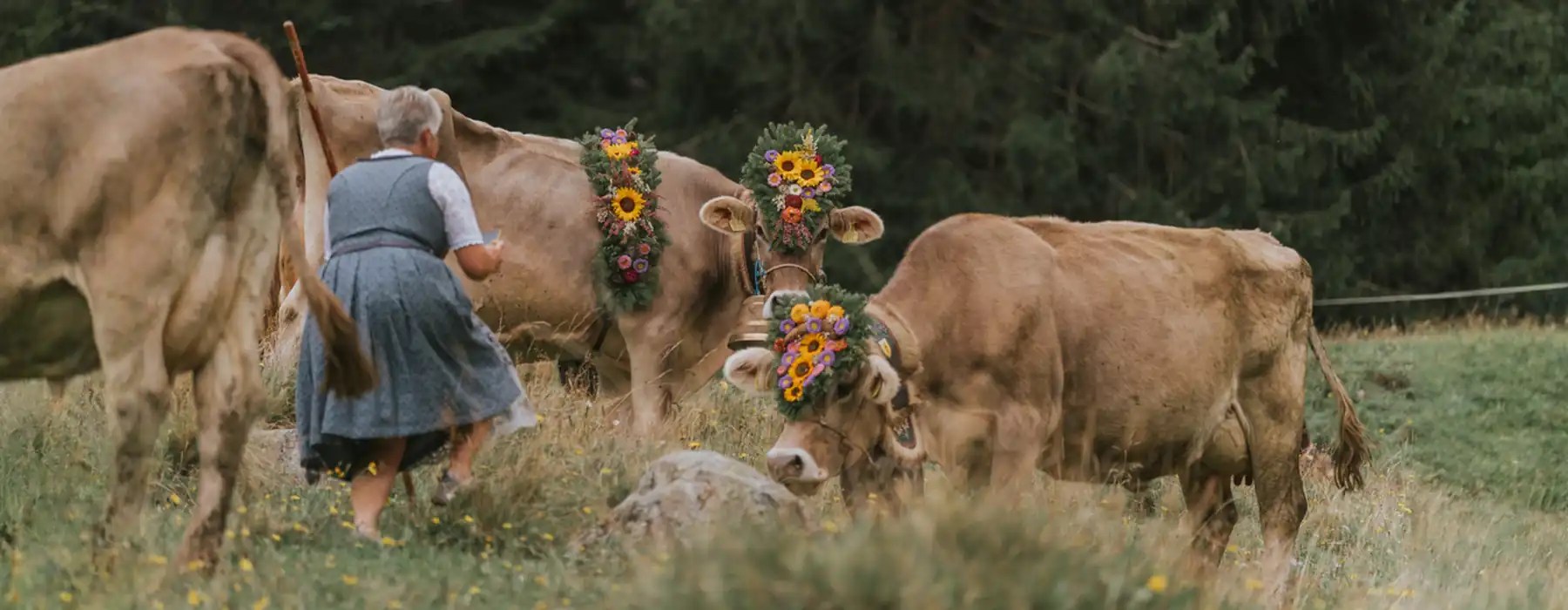
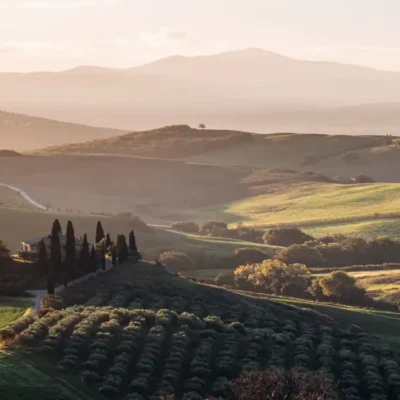
In Italy, November is more than just a bridge between fall and winter it’s a quiet transformation that shapes both nature and the food it gives, as the air cools and the mountain slopes lose their vivid summer greens, farmers guide their animals back from the high pastures to the lower barns. The grass, still soft and fragrant from autumn rains, carries the last essence of the warm season, it’s the moment when milk changes richer, denser, and slightly sweeter and with it, the flavor of cheese begins a new chapter.
This is the November cheese season, a time deeply tied to Italy’s rhythm of life, while tourists may think of Italy in summer or spring, locals know that November holds one of the most fascinating moments of the year: the end of the pasture season. It’s a season that tells a story about balance, time, and the subtle bond between people, animals, and the land they share.
The End of the Pasture Season: Where Milk Becomes Memory
During summer, cows, sheep, and goats graze freely on high mountain fields filled with wild herbs and alpine flowers, that diet gives Italian cheeses their complexity the freshness of thyme, the sweetness of clover, the depth of untouched soil. By November, those high pastures begin to frost, farmers bring their animals down to the valley, feeding them hay and grains prepared through the year, the shift might seem small, but for the trained palate, the difference is remarkable.
The milk of November carries the last perfume of the grass and the first notes of stored hay, it’s more concentrated, creamier, and deeply aromatic. Cheeses born in this season whether Gorgonzola from Lombardy, Grana Padano from the Po Valley, or Pecorino Romano from central Italy carry the taste of that transition, they reflect the landscape itself, caught between autumn’s abundance and winter’s stillness.
Gorgonzola: The Taste of Fog and Patience
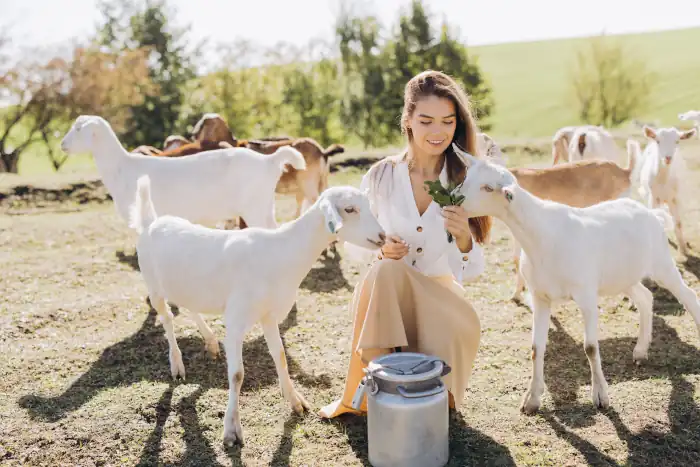
If November had a flavor, it might be Gorgonzola, originating from northern Italy, Gorgonzola is born in the damp air of the Po Valley, where fog wraps around barns and the scent of milk lingers in the air. During this month, as humidity rises and temperatures fall, cheesemakers find the perfect natural environment for the slow growth of the blue veins that give Gorgonzola its soul.
It’s not just a cheese it’s a living organism, a dialogue between milk, air, and time, and the result is a creamy, tangy masterpiece that feels like tasting the essence of November itself: calm, introspective, and deeply flavorful. Spread it on warm bread or drizzle it with honey, and you understand why Italians treat cheese not as food, but as an expression of the season.
Grana Padano and Parmigiano Reggiano: The Story of Work and Waiting
In the heart of northern Italy, where Grana Padano and Parmigiano Reggiano are born, November marks a moment of quiet preparation, the cows are now sheltered, their diet transitioning from the open grasslands to carefully dried forage. The milk becomes slightly more intense, less floral, more nutty a perfect base for cheeses that will age gracefully for months or even years.
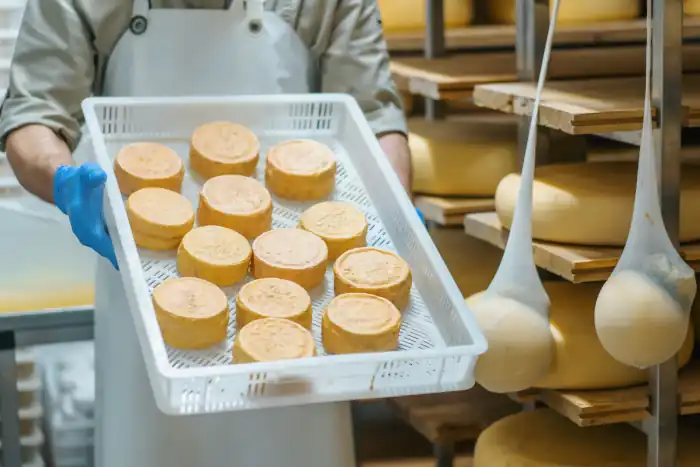
Inside the dairies, cheesemakers follow a rhythm that hasn’t changed in centuries, copper vats simmer gently as curds form, and the air smells of butter and hay. Each wheel is hand-pressed, salted, and marked with care, there’s a sense of ceremony in this process a respect for time and patience that feels rare in today’s world.
Both Grana Padano and Parmigiano Reggiano are products of endurance, born in the humble simplicity of rural Italy, they are a reminder that greatness grows slowly. What begins as fresh November milk will one day become the golden treasure grated on a bowl of pasta or sliced thin beside a glass of wine.
- Manchego Cheese Wheel – Approx. 2 lbs – Spanish Sheep’s Milk Cheese Aged 3…
- Italian Pecorino Romano Cheese D.O.P. – Gambero Rosso Award Winning Cheese -…
- Italian Pecorino Romano Cheese D.O.P. – DeRoma Agri-in – 2lb to 2.5lb…
- Canestrato (Incanestrato) Cheese Plain -1 Pound Slice Imported Italian Sheep…
- Traditional Colby Longhorn Cheese | 48 oz Half Loaf | Creamy, Mild & Smooth…
Pecorino Romano: The Voice of the Wind and the Hills
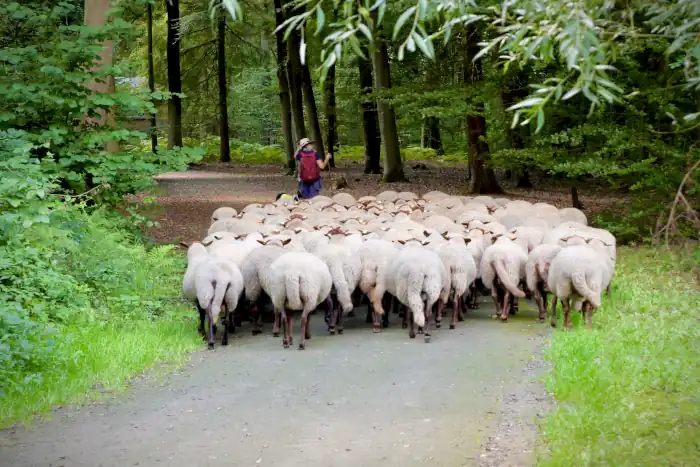
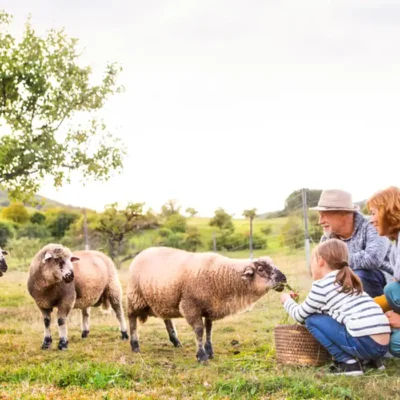
Farther south, on the rugged hills of Lazio and Sardinia, Pecorino Romano tells a different November story, shepherds begin to gather their flocks closer to home, away from the rocky highlands where they’ve spent the summer. The sheep’s milk, now heavier and full-bodied, becomes the foundation of one of Italy’s oldest and proudest cheeses.
In November, the scent of Pecorino’s production is sharp and savory, inside stone rooms, the air is filled with salt and the hum of cooling milk. It’s a cheese that mirrors the people who make it bold, authentic, and deeply tied to the land, when you taste it, you sense the rhythm of the countryside: the bleating of sheep, the whistle of the wind, and the slow shift toward winter.
Cheese as a Reflection of Nature’s Cycle
To truly understand Italy’s November cheese season, you have to see cheese not just as food, but as a reflection of nature’s changing voice. Each season leaves its signature in the milk. Spring brings light, fresh flavors; summer adds intensity and depth; and November marks the closing note, rich and lingering.
The animals respond to the rhythm of the earth. When grass changes, so does the milk. When temperatures fall, fermentation slows. It’s as if nature herself guides the process, ensuring that no two wheels of cheese are ever exactly the same. Italians have built an entire cultural philosophy around this idea that true taste can’t be rushed or standardized. It must come from the land, the season, and the patience of the people who live in harmony with both.
Culture and Heritage: The Art of Waiting
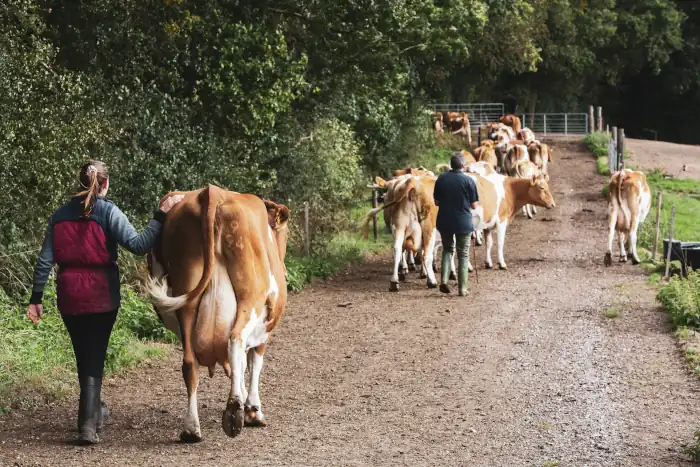
Cheesemaking in Italy is not an industrial act; it’s a ritual of observation. Generations of families have learned to listen to the milk, to smell when it’s ready, to know by touch when curds are perfect. These are skills passed quietly through time, taught not in words but in gestures.
In November, when life slows, these traditions take center stage, the countryside hums with activity, yet there’s a peacefulness that defines it. Farmers speak about their cheese as if it were alive because, in truth, it is, each wheel breathes, matures, and changes with the temperature, the humidity, and the passing days.
For visitors, especially those coming from the United States, it’s a powerful reminder that food and culture are inseparable. Cheese here is not just eaten it’s celebrated as a living part of Italian heritage, a connection between generations and landscapes.
Italy and the United States: Two Paths to Flavor
Comparing Italy’s November cheese season with American cheese-making traditions highlights two different relationships with time. In Italy, cheesemaking follows nature’s pace, adapting to weather, grass, and the quiet needs of the animals, it’s slow, seasonal, and profoundly rooted in place.
In the United States, innovation and experimentation drive the craft. Cheesemakers create excellent products year-round, using technology to stabilize milk and replicate flavors. The result is diverse and exciting, but the rhythm is different more controlled, less dependent on the shifting seasons.
Italy’s cheeses, especially those made in November, remind us that time is an ingredient, not a constraint. The subtle fragrance of a November Grana Padano or a creamy Gorgonzola can only exist because the land and animals followed their natural course, it’s a philosophy that speaks not only to flavor but to a broader truth: we taste the world as we choose to live in it.
An Invitation to Savor the Season
As the last leaves fall and Italy’s fields turn quiet, November’s cheese season becomes a symbol of continuity, it’s a time to honor tradition, savor change, and find comfort in the rhythm of nature. Whether you visit a small dairy in Lombardy or taste a slice of Pecorino in a Sardinian village, you’ll discover a country that still lives in harmony with the earth.
The next time you enjoy a piece of Italian cheese, remember that it carries the story of November the end of the pastures, the patience of the farmers, and the unbroken dialogue between people and the land that sustains them.
Consideration:
Want to experience Italy’s slow and beautiful traditions? Visit a local cheese farm this November and taste the true flavor of time.




Share: