

Discover the Joy of Local Culture in Italy
Local Culture That Feels Alive
When you travel to Italy, it’s easy to be swept away by famous landmarks like the Colosseum or Venice’s canals, but if you pause for a moment and look beyond the postcard views, you’ll notice something even more fascinating: the local culture. This isn’t about staged traditions for tourists; it’s about daily life—habits, rituals, and unspoken rules that shape the way Italians connect with each other.
For many visitors, the magic of Italy begins when they slip into this rhythm. From long afternoon conversations in piazzas to late dinners that stretch into midnight, Italy’s local habits reveal a different way of life—one where time slows down and relationships take center stage.
And if you’re curious about culture, you’ll find that every detail, from the way people greet each other to how they design their homes, holds a story worth listening to.
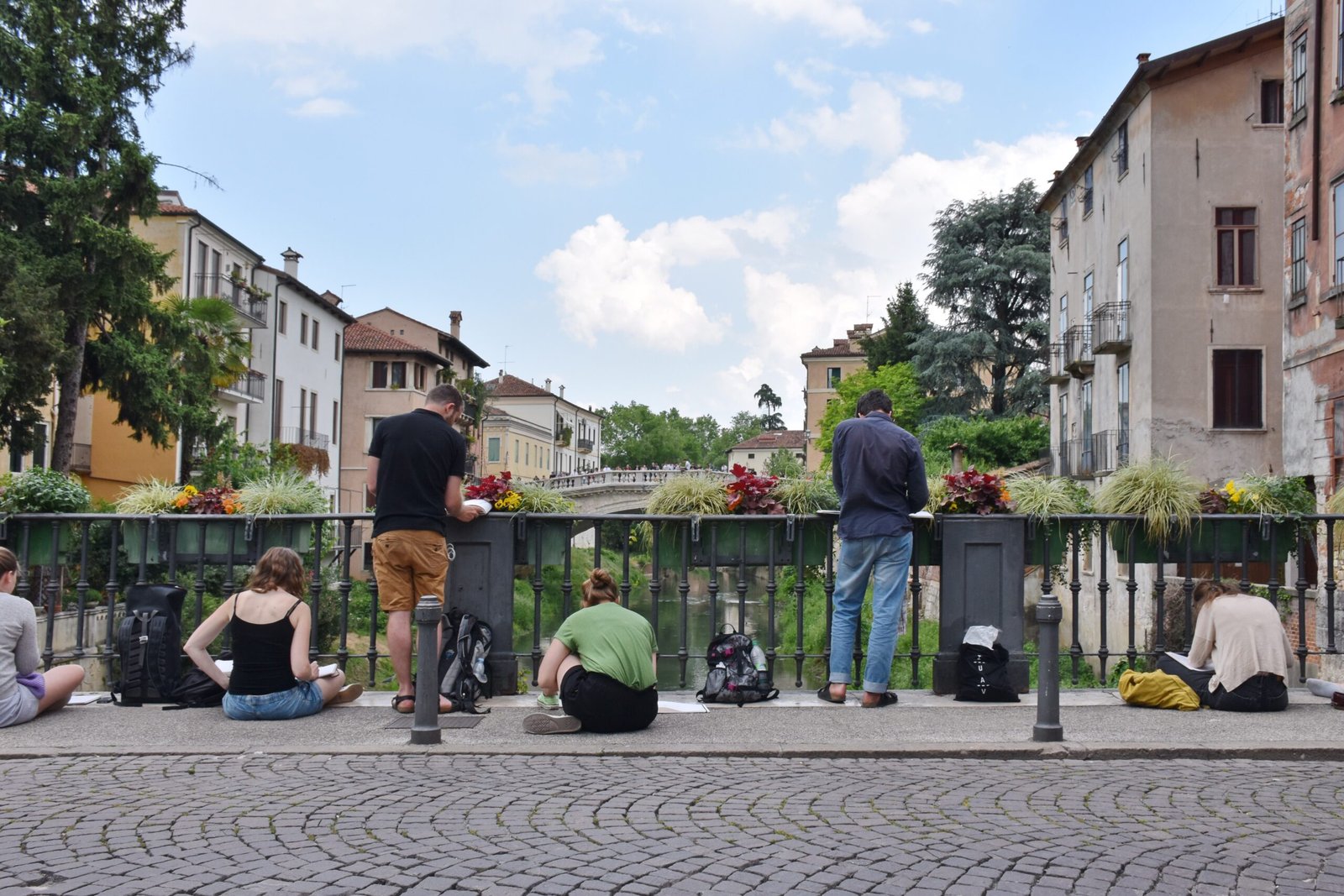
Traditions That Shape Everyday Life
One of the most striking things about Italian local culture is how much importance is placed on small, everyday rituals. Morning begins with an espresso at the neighborhood café, where everyone knows the barista and often each other, but this isn’t just about coffee—it’s about community, even the way Italians drink coffee, standing at the bar instead of taking it to go, shows how culture favors connection over convenience.
Meals are another key part of local life; lunches can last hours, especially on weekends, and dinner rarely happens before eight in the evening. Food is never just food; it’s a social act, a time to gather and share, and even a quick bite carries layers of meaning, with recipes passed down for generations, turning dishes into little pieces of family history.
These habits might seem small, but they reveal characteristics of culture that go far beyond tourism: patience, care, and a deep respect for tradition.
Design, Lifestyle, and Everyday Beauty
Italy’s cultural influences are not just found in museums, but they are part of daily surroundings. Walk through a small town and you’ll notice balconies filled with flowers, cobblestone streets polished by centuries of footsteps, and doorways with handcrafted ironwork, these details reflect an Italian mindset where design and lifestyle are inseparable.
Homes often combine modern function with rustic charm, showing how Italians balance the past and the present. A simple ceramic plate from a local artisan isn’t just decoration; it’s a reflection of the local culture, where beauty and utility go hand in hand.
This love for aesthetics also shows up in fashion, gestures, and even language. Italians express themselves with their hands, with dramatic emphasis that turns conversations into small performances, and it’s not just about what they say, but how they say it—another layer of local identity.
Local Habits That Reveal a Different Way of Life
Visitors often notice how Italians seem to live with a different sense of time, the idea of “la dolce vita” isn’t a cliché—it’s a mindset. Shops may close in the afternoon for a few hours, not because of inefficiency, but because people value rest and family time. Evenings are made for socializing, whether it’s strolling through town during the passeggiata or meeting friends for aperitivo.
For someone coming from the US, where speed and productivity often dominate, these habits can feel refreshing. They remind us that life doesn’t always need to be a race, exploring deeper layers of tradition, design, and lifestyle helps you see how culture shapes priorities.
Even festivals, deeply tied to history and religion, reflect this, and many small towns celebrate their patron saint with processions, music, and fireworks. These events aren’t staged for visitors—they’re acts of devotion that unite communities, reminding everyone of where they came from and what they share.
Weddings, Sundays, and Special Gatherings
If you want to see local culture at its peak, attend an Italian wedding, because these aren’t just ceremonies; they’re full-day celebrations where food, music, and community blend into one unforgettable experience. Guests can expect endless courses, dancing until late at night, and traditions that vary from region to region, and in the south, for example, wedding feasts are legendary, with dozens of dishes served over many hours.
Sundays also play a sacred role in Italian life—not only for church but for family. The Sunday lunch is almost an institution, where several generations gather around the table, and the menu often includes pasta, slow-cooked meats, homemade desserts, and plenty of conversation, it’s in these gatherings that you see characteristics of culture most clearly: family unity, storytelling, and continuity between generations.
- Bellelily Womens Long Sleeve T Shirts Aztec Cow Print Western Henley Tops…
- Under Armour Men's Charged Assert 10, (001)
- Amazon Essentials Women's Crew Socks, Cotton, 6 Pairs
- Hanes Women's Silk Reflections Control Top Toe Silky Sheer Pantyhose
- Tankaneo Womens V Neck Tank Tops 2025 Sleeveless Ribbed Knit Shirts Summer…
The Language of Gestures and Dialects
Italian isn’t just spoken—it’s performed. Gestures are such a strong part of local culture that you could almost follow a conversation without words. From the flick of a hand that means “what do you want?” to the pinch of fingers that says “just a moment,” body language is an art form.
On top of that, Italy is a mosaic of dialects, in Naples, Sicily, or Venice, locals switch between standard Italian and regional variations, this shows how culture lives not only in food and tradition but in speech itself. Even within the same country, identity is layered, and dialects carry stories of history, migration, and pride.
Local Culture and Nature
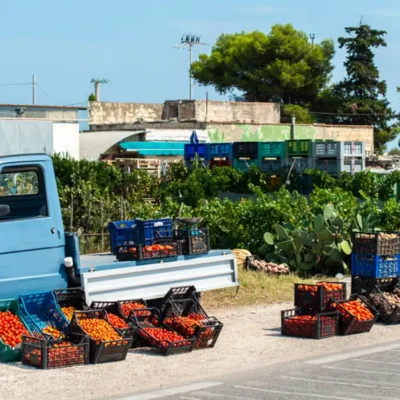
Another part of local life in Italy is the relationship with nature, farmers’ markets fill piazzas with seasonal fruits and vegetables, and shopping “km zero” (zero miles) is more than a trend—it’s a cultural habit. Italians prefer food that’s fresh, local, and tied to the land around them.
Wine and olive oil production, for example, aren’t just industries; they’re cultural cornerstones, and visiting a vineyard or olive mill shows you how tradition, nature, and community come together in one practice. Even harvesting olives often becomes a family event, bringing people together for days of work followed by shared meals.
Cultural Influences and Everyday Connections
The richness of Italian local culture also lies in how it has absorbed and transformed influences over centuries. Roman roads, Arab flavors in Sicilian cuisine, French touches in Piedmont—all of these elements show how culture is not fixed but alive, constantly evolving.
Yet, despite outside influences, there is a strong sense of continuity. The characteristics of culture—respect for family, pride in heritage, and a love for beauty—remain the same across regions, whether you’re in a Tuscan village or a southern fishing town, you’ll feel this heartbeat of tradition beneath the surface.
A Personal Reflection
Whenever I spend time in Italy, I notice how quickly my own habits shift, I start slowing down, enjoying meals without rushing, and paying more attention to details around me. The way people live teaches you that local culture isn’t something you just observe—it’s something you feel, something that shapes you if you allow it.
This is why travelers who go beyond tourist sites often come back changed. They don’t just bring souvenirs; they bring back a new perspective on what matters in life.
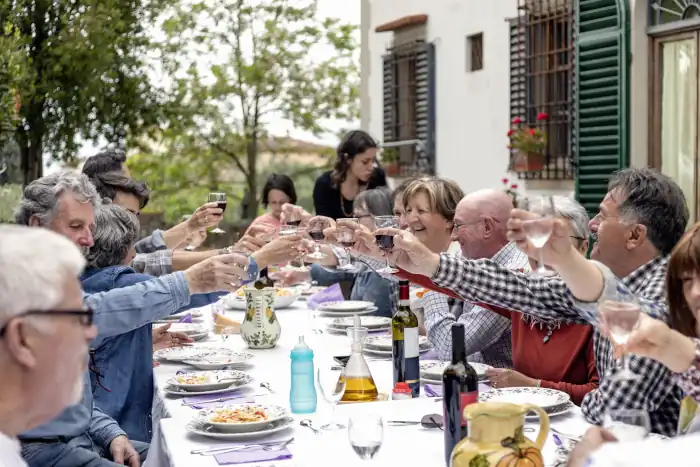
Italy vs. US: A Cultural Snapshot
Italian Local Culture vs. US Culture
Time: In Italy, time is flexible, meals and social moments stretch long. In the US, schedules are tighter and efficiency is often prioritized.
Meals: Italy celebrates food as a shared ritual; in the US, meals can often be quick and functional.
Community: Italian life revolves around piazzas and gatherings. American life often emphasizes individuality and personal space.
Work-Life Balance: Italy values rest, family, and tradition. The US often highlights work, progress, and personal achievement.
Both cultures have strengths, but experiencing Italy reminds many Americans that slowing down and cherishing everyday beauty can make life richer.
Helpful Recommendation, Products and More.
If you want to truly understand Italy, don’t just stop at monuments or museums, but also pay attention to the local culture—to how people greet each other, how they savor their meals, and how tradition quietly shapes every street and square. That’s where the country’s soul truly lives.
And if you’d like to experience this way of life yourself, you can start planning your trip now with carefully chosen tours, stays, and cultural experiences.




Share: