
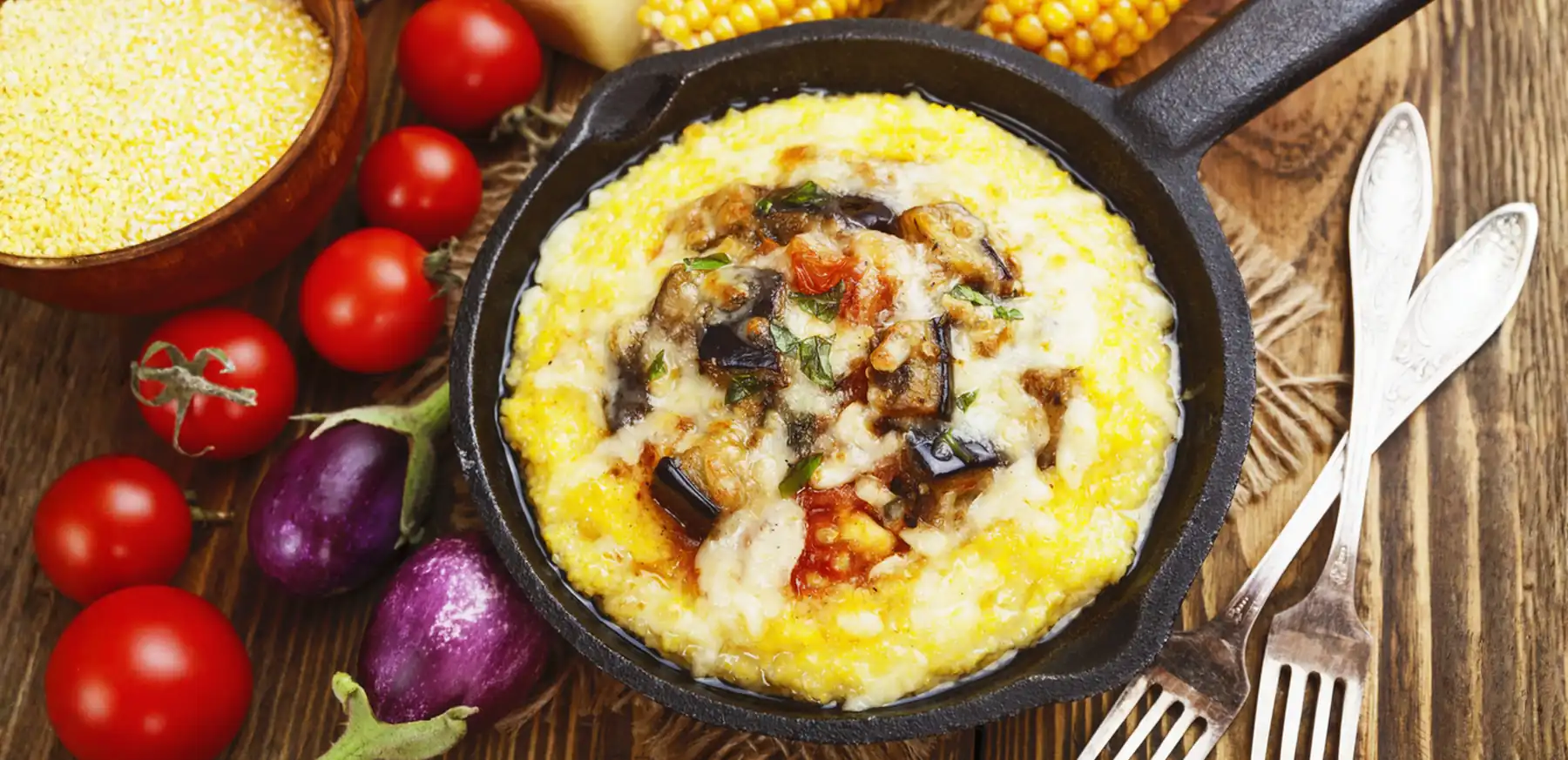
The Art of Italian Cooking Polenta: A Journey Through Tradition and Taste
Introduction to Polenta: A Staple of Italian Winter Cuisine
It is not just a dish in Italy; it is history, traditions, and provincial pride. For hundreds of years, this corn-based staple has formed the core of Italian cuisine that has comforted those cold winter months. Therefore, upon Polenta Day marked in January, let us delve deeper into the literally rich heritage of polenta, the best regions in Italy to experience the dish firsthand, and the must-have tools and accessories to prepare polenta in one’s own kitchen.
The History of Italian Polenta: From Ancient Rome to Modern Italy
A Peasant’s Meal Turned Gourmet Delicacy
Polenta is one of the ancient foods dating back to as early as ancient Rome when it was prepared with a variety of grains such as farro and barley. This beautiful golden creamy dish became what it is today through the introduction of maize from the Americas in the 16th century. Once considered the food of peasants, today polenta resides across the international borders of gourmet chefs and food lovers’ kitchens.
Polenta’s Role in Regional Italian Cuisine
Each region of Italy has its own unique take on polenta:
- Lombardy & Piedmont – Polenta Taragna: A creamy blend of polenta and local cheeses.
- Veneto – Polenta e Baccalà: A delightful combination of polenta and salted cod.
- Tuscany – Polenta con Funghi: A rustic dish featuring polenta topped with wild mushrooms.
Where to Experience Polenta Traditions in Italy
For those looking to indulge in the true essence of polenta, visiting these regions is a must:
Bergamo, Lombardy – The Heart of Polenta Taragna
Bergamo is renowned for Polenta Taragna, a cheesy and buttery variation of traditional polenta. Tourists can visit the city’s local trattorias or attend food festivals in January dedicated to this dish.
Venice, Veneto – A Polenta Lover’s Dream
Venice offers a variety of polenta dishes, best enjoyed at historic bacari (small wine bars) along the canals. The creamy Venetian-style polenta pairs exceptionally well with seafood.
Turin, Piedmont – A Winter Haven for Comfort Food
Piedmont’s mountainous landscapes make it an ideal location to savor polenta-based dishes. The region’s Polenta Concia, enriched with melted cheese, is a must-try.
Cortina d’Ampezzo, Dolomites – Polenta with a View
Enjoying polenta in a cozy mountain lodge in the Dolomites is a winter experience like no other. Ski resorts often serve polenta with hearty game meats and cheese.
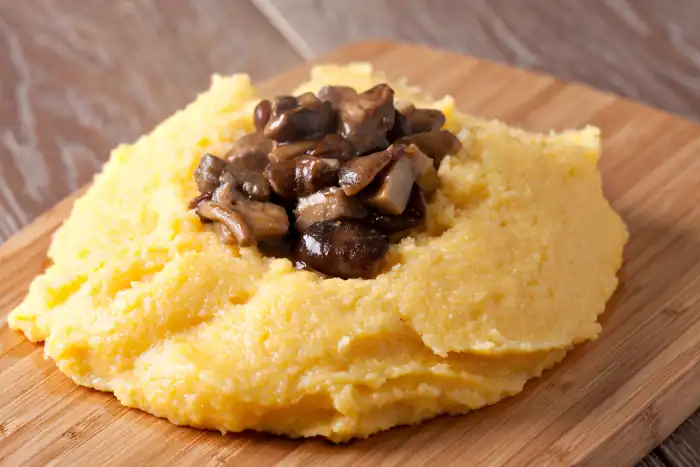
Central Italy Polenta: Rustic Flavors and Top Destinations for Polenta Day
Central Italy’s Polenta Traditions and Visiting Spots
Discover Central Italy’s polenta traditions and must-visit spots like Umbria and Abruzzo for Polenta Day in January. Warm up with authentic Italian cooking!
Central Italy’s rolling hills and medieval villages set the stage for some of the country’s best polenta. Here, the dish is often slow-cooked over an open fire and served with robust toppings. Check out these regional highlights and tourist gems:
- Umbria – Norcia: Known as the “truffle capital,” Norcia pairs creamy polenta with black truffles or wild boar ragù. Visit in January for the cozy atmosphere and the nearby Sibillini Mountains, which are perfect for a winter hike.
- Abruzzo – L’Aquila: This rugged region serves polenta with sausage and pecorino cheese. Explore L’Aquila’s historic center, then warm up at a local trattoria.
Tourists flock to these towns for their charm—think stone streets, ancient churches, and bustling winter markets. At home, recreate the magic with a heavy-duty copper pot for even cooking or a rustic serving platter to channel Umbria’s vibe.
Let’s head South for more polenta adventures!
Southern Italy Polenta: Bold Twists and Scenic Stops for Polenta Day
Southern Italy’s Polenta Traditions and Visiting Spots
Explore Southern Italy’s polenta traditions and top tourist spots like Campania and Calabria for January’s Polenta Day. Savor winter Italian flavors!
Southern Italy brings a sunny twist to polenta, blending it with Mediterranean ingredients and bold flavors. The region’s dramatic coastlines and vibrant towns make it a winter travel dream. Here’s where to go and what to taste:
- Campania – Amalfi Coast: In villages like Cetara, polenta is topped with anchovy sauce or paired with seafood stews. Tour the Amalfi Coast’s cliffside towns, then cozy up with a bowl of polenta overlooking the sea.
- Calabria – Tropea: This coastal gem adds spicy ’nduja (a spreadable sausage) to polenta for a fiery kick. Visit Tropea’s cliff-top old town and stunning beaches—even in January, the views are breathtaking.
Southern Italy’s Polenta Day celebrations often spill into local piazzas, where families share steaming plates. Want to try it at home? Grab a non-stick skillet for frying polenta slices or colorful Italian plates to brighten your winter table.
Cooking Polenta at Home: Essential Kitchen Tools
Recreating traditional polenta at home requires the right tools and accessories. Here are some must-haves for a perfect Italian cooking experience:
Copper Polenta Pot (Paiolo)
A traditional paiolo ensures even cooking and a rich texture.
Wooden Stirring Paddle (Tarello)
A long-handled wooden paddle is essential for stirring polenta to prevent lumps.
Italian Table Linens
Elegant Italian table linens add an authentic touch to your polenta dinner setting.
Ceramic Serving Plates
Handcrafted ceramic plates enhance the rustic charm of a polenta meal.
Non-Stick Polenta Pans
For an easier cooking experience, non-stick polenta pans are highly recommended.
- Pentole Agnelli Family Cooking Polenta Pot with Wooden Handle, Diameter 18 Cm.
- Pentole Agnelli Family Cooking Polenta Pot with Wooden Handle, Diameter 24 Cm.
- Moretti Polenta Fine | Fioretto – 500 Gram (Pack of 2)
- Colavita Polenta, 1 Pound
- Sanniti Italian Instant Polenta, 17.6 oz (Pack of 4)
- Pentole Agnelli Family Cooking Aluminium Polenta Pot with Bowed Handle and…
- Pentole Agnelli Family Cooking Aluminium Polenta Pot With Bowed Handle And…
- Pentole Agnelli Family Cooking Copper Polenta Pot with Bowed Handle, Diameter…
January Winter Polenta Day: Exploring Italy’s Culinary Tradition
January invokes hearty comfort foods, and for few dishes can be winter’s capture as well as polenta. Polenta, the cornmeal dish of such deep roots in Italian culinary culture, is today commonly found in Northern Italy as a most rudimentary warmth and food. Perhaps January does not harbor one single day to be called “polenta day,” but it is just right for exposing area polenta traditions, tourist destinations, and cooking tips. Now, let’s dig into polenta. It’s past, regional specializations, and practical know-how for enjoying it this winter.
The History of Italian Polenta
Polenta has an incredibly ancient history going back to Roman times and was prepared from grains like barley (farina d’orzo) and spelt (farina di farro). When Corn arrived in Europe in the 1500s, polenta was nothing more than it is today. It was now a staple ingredient in Northern Italian daily food, particularly in Piedmont, Veneto, Lombardy, and Trentino-Alto Adige. It is a celebration of cucina povera and an extremely adaptable cold, long winter staple dish.
In January, polenta takes center stage as a warming dish often paired with rich stews, melted cheeses like fontina or gorgonzola, and hearty meats. Its role as a winter comfort food is perfectly encapsulated by the saying: “La polenta è utile per quattro cose: serve da minestra, serve da pane, sazia, e scalda le mani” (“Polenta is good for four things: to make soup, to make bread, to fill you up, and to warm your hands”).
Top Destinations for Polenta Experiences
For tourists visiting Italy in January, Northern regions offer a wealth of opportunities to experience authentic polenta dishes alongside cultural exploration. Here are some standout destinations:
Biella (Piedmont)
- Attractions: The medieval Ricetto di Candelo and the snowy slopes of Bielmonte.
- Polenta Specialty: Polenta concia, a decadent dish made with melted Alpine cheese.
- Experience: Cozy trattorias serve this local favorite amidst picturesque winter landscapes.
Turin (Piedmont)
- Attractions: La Feta di Polenta (a quirky house shaped like grilled polenta) and Museo Egizio.
- Polenta Specialty: Traditional pairings with wild boar or venison.
- Experience: Warm indoor dining experiences perfect for escaping January’s chill.
Veneto
- Attractions: Charming towns like Bassano del Grappa and mountain villages.
- Polenta Specialty: Served with game meats or sautéed mushrooms.
- Experience: Enjoy alpine views while savoring hearty polenta dishes.
Trentino-Alto Adige
- Attractions: Snow-covered Dolomites and quaint ski resorts.
- Polenta Specialty: Rustic versions paired with speck or local cheeses.
- Experience: Combine skiing adventures with indulgent meals featuring polenta.
Practical Tips for Tourists
If you’re planning to explore Italy’s polenta traditions in January, here are some practical tips:
- Pack Warm Layers: Northern Italy can be chilly in January, so dress appropriately for snowy landscapes and cozy evenings.
- Plan Around Shorter Days: With limited daylight hours, prioritize indoor activities like museum visits or dining experiences.
- Capture the Moment: Snowy backdrops and steaming plates of polenta make for perfect social media posts.
- Cooking at Home: Invest in traditional tools like a copper paiolo (polenta pot) for even cooking and Italian table linens to elevate your dining presentation.
Cooking Polenta at Home: Tools and Accessories
For those inspired to recreate Italian polenta dishes at home, having the right tools is essential:
- Copper Paiolo: Ensures even heat distribution for smooth polenta.
- Wooden Stirring Spoon: Ideal for achieving the perfect consistency.
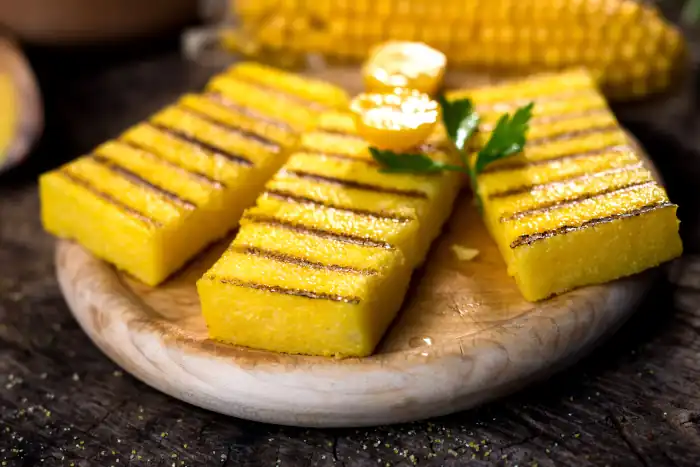
- Non-Stick Pans: Perfect for frying leftover polenta slices.
- Italian Table Linens: Add authenticity to your dining setup.
Spring Adaptations: Polenta Beyond Winter
January certainly showcases polenta as a prime winter staple, making it one of the smoothest transitions into delicacies of spring as early as April. Fresh accompaniments such as tender asparagus or pecorino cheese cause an issue-free lightening of this complex dish:
For example:
- Try grilling leftover polenta slices as a base for spring vegetables.
- Experiment with creamy polentas topped with sautéed greens.
Conclusion: Celebrating Polenta Day in January Spots
Whether you’re enjoying authentic polenta in Italy or making it at home, the traditions surrounding this dish make it a wintertime favorite. Embrace the cultural heritage of Italian cuisine by visiting the regions where polenta is celebrated or by bringing the flavors of Italy into your kitchen with high-quality cookware and tableware.
Polenta isn’t just food—it’s an experience, a connection to Italy’s rich history, and a warm embrace on a cold winter day.
Table: Key Polenta Destinations and Attractions
| Region | Location | Attraction | Winter Experience | Spring Highlight |
|---|---|---|---|---|
| Piedmont | Biella | Ricetto di Candelo | Polenta concia, medieval charm | Blooming hills |
| Piedmont | Turin | La Feta di Polenta | Cozy indoor dining | Art exhibitions |
| Veneto | Bassano del Grappa | Mountain villages | Alpine views | Fresh ingredient pairings |
| Trentino-Alto Adige | Dolomites | Ski resorts | Rustic polentas with speck | Hiking trails |
Affiliate Marketing Integration
For readers inspired by this guide, ItalyFoods offers curated affiliate links to enhance your culinary journey:
- Copper paiolo pots.
- Non-stick pans for frying leftovers.
- Elegant Italian table linens.
By incorporating these tools into your kitchen, you can bring a piece of Italy’s rich culinary tradition into your home.
January’s focus on polenta provides an excellent opportunity to explore Italy’s regional diversity while indulging in one of its most beloved comfort foods. Whether you’re visiting snowy Biella or cozying up at home with a bowl of creamy polenta, this iconic dish embodies the warmth and hospitality of Italian cuisine.
Introduction to Polenta Day in January in Central and Southern Italy
The Art of Italian Polenta: Celebrating Winter with Polenta Day
Warm up this January with Italy’s Polenta Day! Explore authentic polenta traditions and top visiting spots in Central and Southern Italy.
January ushers in a typical winter chill in Italy, also marking a time for celebrating Polenta Day- the salting of a country’s traditional cuisine during winter. Polenta is a golden cornmeal dish served for centuries, especially in Central and Southern Italy, usually served with rich, hearty sauces, cheeses, and rustic charm. This guide comes in various parts and brings you through this obsessive journey to all the fantastic places for experiencing ideal polenta-from the medieval villages of Umbria to coastal cliffs in Campania. All those who are traveling will learn about the destinations in detail: We’ll share tips to recreate these dishes at home with essential Italian kitchen tools.
Ready to dig into Italy’s coziest season? Let’s start with the history of polenta and why January is prime polenta time!
Why Polenta Day in January?
Winters are called for soul food and this dish is versatile enough to be hearty in polenta. Whether you are an adventurous traveler planning to visit Italy, or you are collecting ideas for the home-based cook, then indulge in Polenta Day with the taste of your country. Keep reading with us as we discuss the fantastic destination traditions in the next few pages!
The History of Italian Polenta
The History of Italian Polenta: A Winter Comfort Food Legacy
Uncover the rich history of Italian polenta and its role in winter cuisine. Celebrate Polenta Day in January with Italy’s timeless traditions
Many centuries must have passed before polenta was even considered an Italian specialty. Ancient forms of polenta were made from grains such as farro or millet. Following maize’s arrival from the Americas in the 16th century, the dish evolved into a cornmeal one. In Central and Southern Italy, this food sustained rural families suffering through long winters and thus found its rightful place on the list of symbols of survival and comfort.
On Polenta Day in January, Italians honor this legacy with festivals and feasts, especially in smaller towns where tradition runs deep. Want to bring this history to your table? You’ll need the right gear—like a sturdy polenta pot or elegant Italian table linens to set a cozy scene.
Next, let’s visit Central Italy’s polenta hotspots!
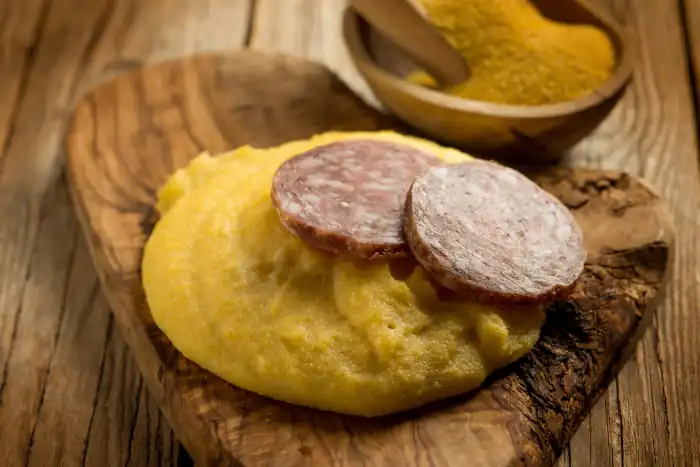
Central Italy Polenta: Rustic Flavors and Top Destinations for Polenta Day
Central Italy’s Polenta Traditions and Visiting Spots
Discover Central Italy’s polenta traditions and must-visit spots like Umbria and Abruzzo for Polenta Day in January. Warm up with authentic Italian cooking!
Central Italy’s rolling hills and medieval villages create the perfect atmosphere for some of the best polenta in the country. Here, these dishes are slow-cooked over an open fire and generously topped with hefty fare. Here are some local attractions and tourist spots:
- Umbria – Norcia: Known as the “truffle capital,” Norcia pairs creamy polenta with black truffles or wild boar ragù. Visit in January for the cozy atmosphere and the nearby Sibillini Mountains, perfect for a winter hike.
- Abruzzo – L’Aquila: This rugged region serves polenta with sausage and pecorino cheese. Explore L’Aquila’s historic center, then warm up at a local trattoria.
Tourists flock to these towns for their charm—think stone streets, ancient churches, and bustling winter markets. At home, recreate the magic with a heavy-duty copper pot for even cooking or a rustic serving platter to channel Umbria’s vibe.
Let’s head South for more polenta adventures!
Southern Italy Polenta: Bold Twists and Scenic Stops for Polenta Day
Southern Italy’s Polenta Traditions and Visiting Spots
Explore Southern Italy’s polenta traditions and top tourist spots like Campania and Calabria for January’s Polenta Day. Savor winter Italian flavors!
Southern Italy brings a sunny twist to polenta, blending it with Mediterranean ingredients and bold flavors. The region’s dramatic coastlines and vibrant towns make it a winter travel dream. Here’s where to go and what to taste:
- Campania – Amalfi Coast: In villages like Cetara, polenta is topped with anchovy sauce or paired with seafood stews. Tour the Amalfi Coast’s cliffside towns, then cozy up with a bowl of polenta overlooking the sea.
- Calabria – Tropea: This coastal gem adds spicy ’nduja (a spreadable sausage) to polenta for a fiery kick. Visit Tropea’s cliff-top old town and stunning beaches—even in January, the views are breathtaking.
Southern Italy’s Polenta Day celebrations often spill into local piazzas, where families share steaming plates. Want to try it at home? Grab a non-stick skillet for frying polenta slices or colorful Italian plates to brighten your winter table.
Bringing Polenta Day Home
Celebrate Polenta Day at Home: Recipes and Tools for Italian Cooking
Polenta can be prepared any time of the day, in various forms, such as bread, baked, or fried, soft, hard, creamy, etc. Corn can be milled in a variety of ways to create different products such as cornmeal, grits, or flour, among others, each having different degrees and uses, according to the method of milling and the kind of corn used. Grits, like polenta, are made from dried corn that has been coarsely ground but are made from different types of corn using different milling processes. Grits can be sweet or savory, primarily as a porridge made from coarsely ground dried corn. Grits is actually the collective name for coarsely ground corn or hominy, which refers to corn that has been treated with alkali in the process of nixtamalization, with the removal of the pericarp (ovary wall). Grits are cooked in salted water or warm milk and are customarily served breakfast style with lots of accompaniments. Dry milling consists of grinding corn kernels into the following products: cornmeal and grits.
- Cornmeal: Dried and ground corn, ranging in texture from fine to coarse.
- Grits: Similar to cornmeal, but often coarser and used for making dishes like grits or polenta.
- Flour: Very finely ground corn, sometimes referred to as corn flour.
Bring Italy’s Polenta Day to your kitchen this January with authentic recipes and top tools. Shop Amazon for polenta-making essentials!
Can’t visit Italy this winter? Celebrate Polenta Day at home with these tips:
- Choose Your Style: Go for Central Italy’s truffle polenta or Southern Italy’s spicy ’nduja version.
- Gear Up: A deep polenta pot ensures perfect texture, while a wooden spoon keeps it traditional.
- Set the Mood: Serve on Italian table linens or in rustic bowls for that authentic feel.
January’s chill is no match for polenta’s warmth. Whether you’re stirring a pot for friends or savoring it solo, you’ll feel the spirit of Italy’s Central and Southern regions.





Share: