
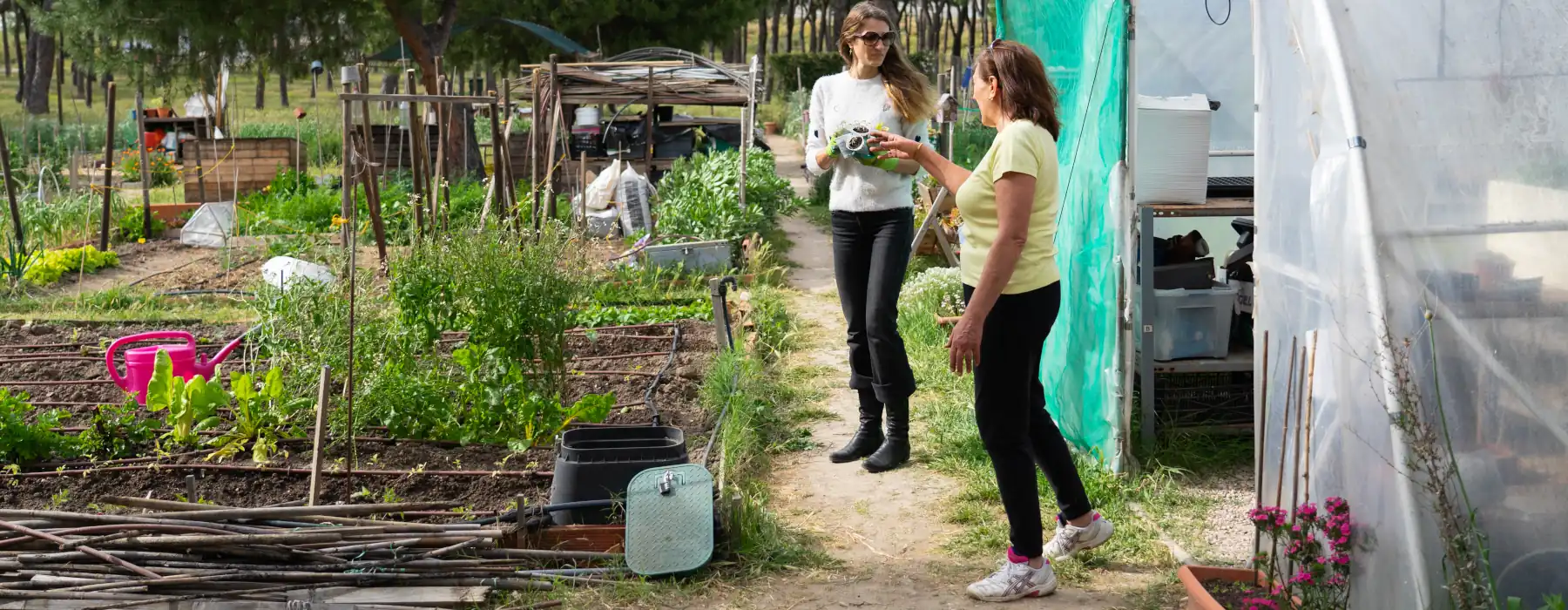
The Joy of Village Life Habits in Italy
Village Life and the Beauty of Slowness
When people talk about village life habits in Italy, they often imagine stone houses, church bells, and old men playing cards in the piazza, but the truth is, village life here is all that and more. It’s simple, slow, and filled with connection, where time doesn’t feel like it’s running against you but flowing with you.
Compared to the fast-paced rhythm of the city, Italian villages hold onto traditions that make life feel deeply rooted. Everyday moments like walking to the local bakery, greeting neighbors, or gathering for a Sunday lunch carry a cultural weight that’s both comforting and inspiring, and if you’ve ever wondered what is village life really about, in Italy it’s about balance, community, and a strong link to heritage.
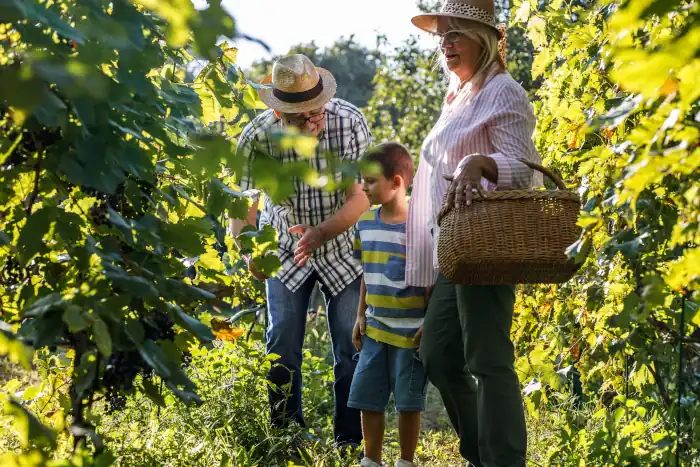
Customs & Habits That Define Italian Village Life
The customs and habits of village living reflect values that city life often forgets, where villagers know the baker by name, the café owner remembers how you take your espresso, and people actually stop to chat in the street instead of rushing past each other. These habits may seem small, but they shape a way of life that feels personal and human.
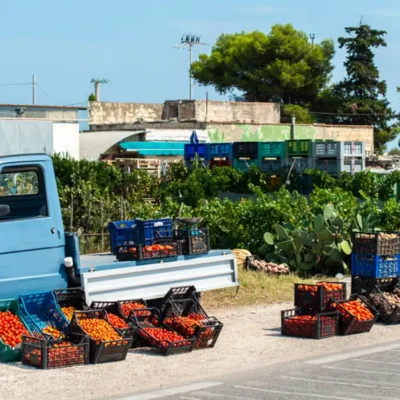
Food is always central, and weekly markets bring together fresh fruits, cheeses, and olive oil, turning grocery shopping into a social ritual. Mealtimes are sacred, not just for eating but for connecting, and unlike in cities where restaurants push for quick turnover, village trattorias invite you to stay, sip wine, and let conversations stretch into hours.
Characteristics of an Ideal Village
Many people ask, why do people go to villages if cities offer jobs, entertainment, and convenience? The answer lies in the desire for simplicity and connection, also people are drawn to villages because they offer a break from the noise, pollution, and stress of city life.
Visitors who spend even a short time in Italian villages notice a shift in themselves. Instead of rushing, they slow down. Instead of always planning the next thing, they enjoy the present, and that’s the essence of why villages attract people—because they offer what cities often take away: time, presence, and a sense of community.
Why Do People Go to Villages?
Many people ask, why do people go to villages if cities offer jobs, entertainment, and convenience? The answer lies in the desire for simplicity and connection, also people are drawn to villages because they offer a break from the noise, pollution, and stress of city life.
Visitors who spend even a short time in Italian villages notice a shift in themselves. Instead of rushing, they slow down. Instead of always planning the next thing, they enjoy the present, and that’s the essence of why villages attract people—because they offer what cities often take away: time, presence, and a sense of community.

Village Life Better Than City Life?
Is village life better than city life? It depends on what you value, because cities buzz with energy, opportunities, and endless activities, but they also demand speed, competition, and constant stimulation, while villages, by contrast, give you quiet mornings, familiar faces, and the beauty of slowness.
For many Italians, village life offers a healthier rhythm, and you’re more connected to nature, to seasons, and to people. Stress levels are lower, food is fresher, and traditions are alive in everyday life, and the cost of living can also be lower, making it easier to enjoy life without constant financial pressure.
For visitors from the US, where suburban sprawl and long commutes dominate, Italian village life feels almost like stepping into another dimension—a place where design, lifestyle, and tradition come together in a seamless way.
Exploring Deeper Layers of Tradition
To explore deeper layers of tradition in Italian villages is to see how culture shapes everyday choices, and even something as simple as architecture reflects values. Homes are designed with thick walls to keep cool in summer and warm in winter, a reminder of how people lived sustainably long before eco-design became a trend.
Festivals mark the calendar, not just as events but as collective rituals, and Saints are celebrated with processions, food is shared in the piazza, and music fills the streets. These are not performances staged for tourists but true expressions of faith, gratitude, and community.
This is where you see that village life habits offer insight into local life—because they reveal what matters most to people: belonging, tradition, and continuity.
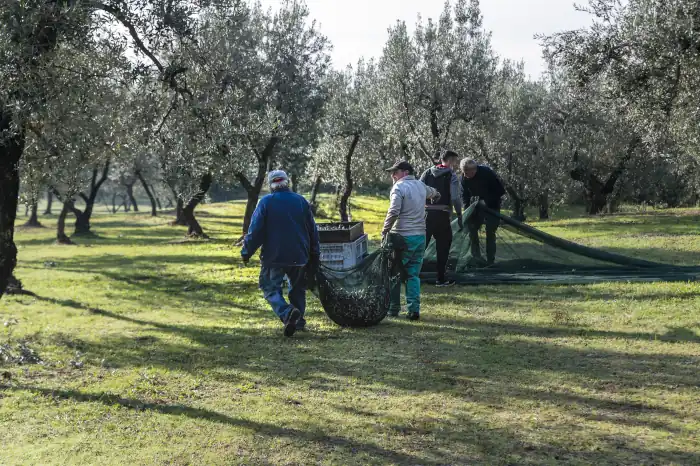
Village Life Habits in Italy vs the US
Now, let’s make some comparisons that might even show up in rich snippets for readers searching about differences between Italy and the US.
In Italy, village life habits are tied to centuries of tradition. Villages were built around a central piazza, and community life still happens there. Meals are long, family-oriented, and seasonal foods are preferred. Daily rhythms follow the church bells and natural cycles.
In the US, the idea of a “village” often blends into suburban living. Life is more car-dependent, meals are faster, and traditions are not as collectively shared. While American small towns can also be close-knit, the culture often emphasizes individual independence more than community interdependence.
So, when comparing Italian village life vs American small towns, the main difference is this: in Italy, habits and traditions are still deeply connected to history and shared culture, while in the US, daily life tends to be more modernized, flexible, and less tied to communal rituals.
Both have beauty—Italy offers connection to history, while the US offers adaptability. But if you’re seeking the beauty of slowness, Italian villages are where you’ll find it.
Final Thoughts
Living or even visiting an Italian village teaches you the value of slowing down, because it’s about customs and habits that connect you to people, places, and traditions. It’s about learning that life doesn’t need to be faster to be better.
If you’ve ever thought about experiencing this lifestyle firsthand, start with a trip to a small Italian village, and wander its piazza, sip coffee at a family-run café, and notice how time feels different. And if you’re curious about bringing some of this simplicity into your daily life, there are ways—whether through cooking traditional recipes, exploring rural travel stays, or even designing your home with slow-living principles.
Because sometimes, village life habits are not just about where you live, but about how you choose to live.
Product Tips
Heat Resistant Silicone Gloves Oven Baking Microwave oven
Original price was: $5.23.$5.04Current price is: $5.04.





Share: